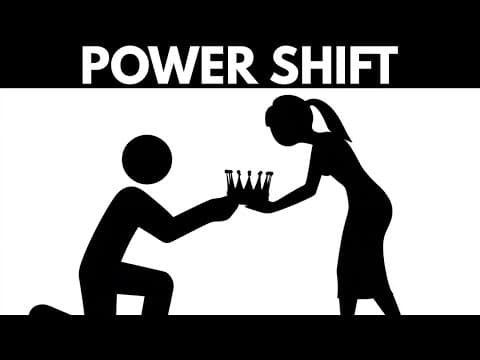
This blog post explores how men often mishandle the early stages of relationships by failing to tolerate insecurity and uncertainty, drawing parallels to developmental psychology. It offers insights on how to navigate these challenges to foster healthier connections.
I'm Dr. Orion Taraban, and in this discussion, we will delve into a common issue that many men face in the early stages of new relationships. This post will explore how men can inadvertently jeopardize promising connections and provide strategies to avoid premature relationship termination.
To understand how men fumble in the early stages of courtship, we must first look at a concept from developmental psychology. Margaret Mahler, a prominent psychologist in the early 20th century, described a phase known as the reproachment stage. This stage occurs between the ages of one and a half to two and a half years, where toddlers begin to explore their environment while grappling with feelings of insecurity.
During this stage, children, having recently learned they are separate entities from their mothers, venture out to explore but often return to their mothers for reassurance when they feel insecure. This back-and-forth behavior is crucial for their emotional development, as it allows them to explore while knowing they have a secure base to return to.
The dynamics of the reproachment stage closely resemble the early courtship process, characterized by alternating periods of togetherness and separateness. Men often struggle during this phase for various reasons, such as an inability to tolerate the distress of a woman's absence or impatience for intimacy. This leads to attempts to collapse the natural rhythm of interaction, either by pushing for commitment too soon or by trying to shorten the time between interactions.
Most women desire commitment in relationships but prefer to feel that they are choosing to enter into that commitment rather than feeling trapped. Just as a mother must tolerate her own discomfort when her child explores independently, men must learn to manage their own feelings of insecurity when they haven't heard from a woman in a while. Trusting the process and allowing space for the woman to return in her own time is essential.
Interestingly, the anxiety and uncertainty that arise during the early stages of dating can serve as motivators for women to return. If a woman does not feel some level of uncertainty or longing, she may not feel compelled to reach out. Men often mistakenly try to eliminate this uncertainty by over-communicating their feelings, which can backfire.
Providing the gift of absence is crucial. It creates the necessary conditions for a reunion. If a man is always present and reassuring, the woman may not feel the need to seek him out. This absence allows her to miss him and wonder about his feelings, which can enhance the emotional connection.
After an intimate encounter, it is natural for a woman to question the nature of the relationship. She might wonder if it was just a one-night stand or if the man genuinely likes her. This uncertainty can motivate her to reach out and seek reassurance, fostering deeper interaction. Men should recognize that this emotional motivation is beneficial and should not rush to eliminate it.
In summary, men often sabotage their relationships by failing to tolerate the natural insecurities and uncertainties that arise during the early stages of dating. By understanding the psychological underpinnings of these dynamics and allowing space for emotional exploration, men can foster healthier and more fulfilling connections. Remember, the key is to trust the process and embrace the uncertainty that can ultimately lead to a stronger bond.
If you found this discussion helpful, consider sharing it with someone who might benefit from these insights. Your support helps spread the message and grow the community.