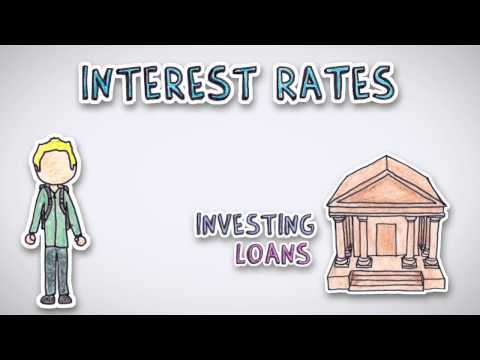
This blog post explains the concept of interest rates, how they affect borrowers like Ben who takes out a loan for education, and savers who earn interest on their deposits. It highlights the importance of understanding both borrowing costs and the benefits of compound interest for personal finance.
Interest rates play a crucial role in personal finance, affecting both borrowers and savers. This article will explore what interest rates are, how they work, and their significance in financial decision-making.
Interest is essentially a fee paid by someone who borrows money to the lender. The interest rate is the percentage of the loan amount that the borrower pays as a fee for borrowing the money. This concept is fundamental in understanding how loans and savings accounts function.
Consider the case of Ben, a recent high school graduate who has been accepted into a prestigious university. While this is an exciting opportunity, the tuition fees are too high for Ben and his parents to manage without assistance. To finance his education, they decide to approach a bank for a loan.
Ben secures a loan of $50,000 from the bank to cover his tuition. But why would the bank lend him this money? The answer lies in interest rates. In exchange for the loan, the bank charges Ben an interest rate of 5% per year. This means that each year, Ben will pay the bank $2,500 in interest until the loan is fully repaid. Essentially, interest can be viewed as a form of rent on the money borrowed.
Now, let’s look at another scenario involving Ben. Suppose he has managed to save $10,000 and decides to deposit this amount into a savings account at the bank. By doing so, Ben is effectively lending his money to the bank, which can then use these funds for investments or to lend to other customers.
Just as the bank charges Ben interest on his loan, it pays him interest on his savings. This interest is a reward for allowing the bank to use his money. The longer Ben keeps his money in the savings account, the more interest he will earn.
One of the most significant concepts in personal finance is compound interest. This is the interest calculated on the initial principal, which also includes all the accumulated interest from previous periods.
For example, if the interest rate is 5%, in the first year, Ben will earn $500 on his $10,000 deposit. By the end of the first year, his total balance will be $10,500. In the second year, he will earn interest not just on his initial $10,000, but also on the $500 interest earned in the first year, resulting in $525 in interest for the second year. This process continues, and by the third year, Ben's account will grow exponentially, earning him $551.25 in interest.
Understanding interest rates is vital for anyone looking to manage their finances effectively. For borrowers like Ben, knowing how much interest they will pay on loans can help them make informed decisions about borrowing. For savers, understanding how compound interest works can significantly impact their savings strategy and retirement planning.
In conclusion, whether you are borrowing money for education or saving for the future, grasping the concept of interest rates and the benefits of compound interest is essential for achieving financial success. For more insights on interest rates, retirement planning, and personal finance, visit Wall Street Survivor.