Peer-to-peer lending connects borrowers and lenders directly through online platforms, offering an alternative to traditional banking. While it provides opportunities for both parties, it also carries risks such as borrower defaults and platform failures. This guide explains how P2P lending works, its benefits, and the potential pitfalls to consider.
Peer-to-peer (P2P) lending, also known as crowdlending, has emerged as a popular alternative to traditional banking loans. This financial model connects individuals who need loans with those who have money to lend, bypassing conventional financial institutions. In this article, we will explore how P2P lending works, its advantages, and the risks involved.
When someone needs a loan, their first instinct is often to approach a local bank. However, this can lead to challenges such as high interest rates or the bank's unwillingness to lend. On the other hand, individuals with savings typically rely on bank deposits, which currently yield low returns due to a low-interest environment. P2P lending serves as a bridge between these two groups.
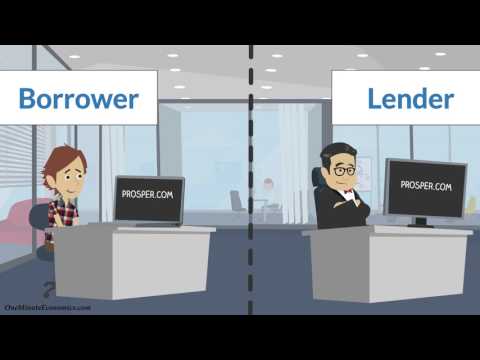
Borrowers and Lenders Interaction: P2P lending platforms, such as Lending Club or Prosper, facilitate interactions between borrowers and lenders. Borrowers can request loans for various needs, while lenders can browse these requests.
Loan Requests: The platform allows borrowers to submit their loan requests, detailing the amount needed and the purpose of the loan.
Lender Choices: Lenders can view these requests and choose which borrowers they want to fund. The platform provides detailed information about each borrower, enabling lenders to make informed decisions. Some lenders may opt for safer borrowers with lower returns, while others may take on riskier loans for potentially higher yields.
Platform Fees: The P2P lending platform takes a fee for facilitating the loan transaction, which is how they generate revenue.
P2P lending offers several benefits for both borrowers and lenders:
Despite its advantages, P2P lending is not without risks:
Default Risk: If borrowers fail to make payments, lenders may lose their investment. Unlike bank deposits, P2P loans are not covered by deposit guarantee schemes, such as the FDIC in the United States.
Platform Risk: If the P2P lending platform itself goes bankrupt, lenders may lose their funds. An example of this occurred with TrustBuddy in 2015, which faced significant operational issues.
Market Variability: In many countries, P2P lending platforms are either non-existent or have poor track records, which can affect the reliability of the investment.
Peer-to-peer lending presents an innovative solution in the financial landscape, offering an alternative for both borrowers and lenders. While it provides opportunities for better loan terms and higher returns, it is essential to understand the associated risks. P2P lending is not a miracle solution but rather a viable option for those willing to navigate its complexities. As the financial world continues to evolve, P2P lending may find its place, but caution is advised for all participants.