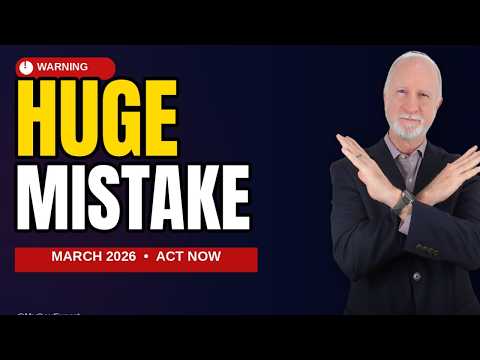
In this blog post, Ed Slott, America's IRA expert, discusses the importance of understanding retirement accounts, particularly Roth IRAs. He emphasizes the hidden tax implications of traditional retirement accounts, the benefits of tax-free growth in Roth IRAs, and strategies for minimizing tax burdens in retirement. Slott warns against common misconceptions and urges individuals to take proactive steps to secure their financial future by leveraging tax-efficient strategies.
In a recent conversation, Ed Slott, known as America's IRA expert, shared valuable insights on retirement tax strategies and the importance of understanding the implications of retirement accounts. Slott, a leading CPA and advisor to financial planners, emphasizes the need for individuals to be proactive in managing their retirement savings to minimize tax burdens.
One of the key points Slott makes is that many people mistakenly believe their retirement accounts, such as IRAs, belong solely to them. He describes these accounts as joint ventures with the IRS, stating, "Your IRA is an IOU to the IRS." This means that a significant portion of the money in these accounts is not truly yours until taxes are paid. Slott highlights the historical context of tax rates, noting that during the baby boomer years, the top federal tax rate exceeded 90%. This serves as a reminder that tax rates can rise significantly, impacting the amount retirees ultimately keep from their savings.
Slott refers to traditional retirement accounts as a "ticking tax time bomb." He explains that as individuals contribute to these accounts, they are accumulating a tax liability that will need to be addressed in the future. He likens this to adding to a mortgage, where the debt continues to grow. Slott warns that many young people are unknowingly contributing to this debt by prioritizing traditional 401(k) and IRA contributions over Roth accounts.
Slott advocates for Roth IRAs as a superior option for retirement savings. He states, "Tax-free is always better," emphasizing that anything growing tax-free will yield the highest returns because it is not eroded by taxes. Roth IRAs allow individuals to pay taxes upfront, ensuring that all future growth and withdrawals are tax-free. This is particularly advantageous for younger individuals who can benefit from decades of tax-free growth.
Despite the clear benefits, Slott notes that many people do not take advantage of Roth IRAs. He attributes this to the default options many employers provide, which often lead employees into traditional 401(k) plans. Slott argues that young workers should opt for Roth 401(k) plans instead, as they allow for tax-free growth and withdrawals in retirement.
Slott believes that tax rates will inevitably rise due to the increasing national debt, which currently stands at trillions of dollars. He warns that individuals with significant amounts in tax-deferred accounts like traditional IRAs and 401(k)s will be particularly vulnerable to future tax increases. To mitigate this risk, he advises individuals in their 50s and 60s to start withdrawing from these accounts while tax rates are low, converting funds into Roth IRAs where possible.
Slott emphasizes the importance of long-term tax planning. He encourages individuals to take control of their tax situation by utilizing lower tax brackets effectively. He states, "Don't waste a low tax bracket," urging individuals to withdraw funds from tax-deferred accounts while they are still in lower tax brackets to minimize their overall tax burden.
While DIY investing is popular, Slott stresses the need for individuals to seek professional advice, especially when it comes to complex tax planning. He suggests that individuals should look for advisors who are knowledgeable about tax strategies and retirement planning, as many financial advisors lack expertise in this area. Slott's own organization, the Ed Slott Elite IRA Advisor Group, trains advisors to provide comprehensive tax planning services.
Ed Slott's insights highlight the critical importance of understanding the tax implications of retirement accounts. By recognizing the role of taxes in retirement planning and taking proactive steps to manage tax liabilities, individuals can secure a more financially stable future. Roth IRAs emerge as a powerful tool for achieving tax-free growth and minimizing lifetime tax burdens. As Slott aptly puts it, "Tax-free is always better," and individuals should prioritize strategies that allow them to keep more of their hard-earned money.
In summary, whether you are just starting your career or nearing retirement, understanding the nuances of retirement accounts and tax strategies is essential for achieving your financial goals. Take the time to educate yourself, seek professional guidance, and make informed decisions about your retirement savings.