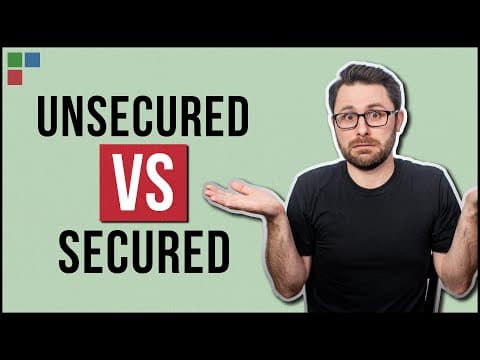
When it comes to borrowing money, understanding the key differences between secured and unsecured loans is crucial. This knowledge can empower you to make informed decisions about which type of loan best suits your financial situation. In this article, we will break down the similarities and differences between these two types of loans across four main categories: collateral, interest rates, loan amounts, and approval odds. Finally, we will provide guidance on how to choose the right loan for your needs.
Similarities Between Secured and Unsecured Loans
Both secured and unsecured loans share some common features:
- Borrowing Process: Both types of loans involve borrowing a specific amount of money from a lender, such as a bank, credit union, or online lender, and repaying that amount over a predetermined period, known as the loan term.
- Interest Fees: Borrowers are required to pay interest fees in addition to repaying the principal amount borrowed. The interest rate assigned to each borrower largely depends on their credit score. A higher credit score typically results in a lower interest rate, while a lower credit score leads to higher interest fees over the life of the loan.
Key Differences Between Secured and Unsecured Loans
1. Collateral
The most significant difference between secured and unsecured loans lies in collateral:
- Secured Loans: These loans are backed by collateral, which is an asset that the borrower offers to guarantee the loan. If the borrower fails to repay the loan, the lender has the right to take possession of the collateral and sell it to recover their money. Common examples of collateral include homes, cars, and stock portfolios.
- Unsecured Loans: In contrast, unsecured loans do not require collateral. The lender extends credit based solely on the borrower's promise to repay. If the borrower defaults, the lender's only recourse is to file a lawsuit to recover the owed amount, making unsecured loans inherently riskier for lenders.
2. Interest Rates
Interest rates also differ significantly between the two types of loans:
- Secured Loans: Generally, secured loans come with lower interest rates. The presence of collateral reduces the lender's risk, as they can reclaim their money by selling the asset if the borrower defaults. Additionally, borrowers with collateral are often more motivated to make timely payments.
- Unsecured Loans: These loans typically have higher interest rates due to the increased risk for lenders. Without collateral, lenders charge more to compensate for the potential loss if the borrower fails to repay.
3. Loan Amounts
The amount you can borrow varies between secured and unsecured loans:
- Secured Loans: Borrowers can usually access larger amounts of money with secured loans. For instance, when taking out a mortgage, the home serves as collateral, allowing borrowers to secure loans worth several hundred thousand dollars. If the borrower defaults, the lender can foreclose on the property to recover their funds.
- Unsecured Loans: These loans typically have lower borrowing limits. Since there is no collateral, lenders are more cautious and will only lend smaller amounts.
4. Approval Odds
Approval odds differ based on the type of loan:
- Secured Loans: It is generally easier to get approved for a secured loan. The reduced risk for lenders means they are more willing to lend to borrowers who may not have perfect credit scores.
- Unsecured Loans: Approval for unsecured loans can be more challenging, especially for borrowers with less-than-ideal credit scores or high debt-to-income ratios. Lenders are more selective due to the higher risk involved.
Choosing the Right Loan for Your Needs
When deciding between secured and unsecured loans, consider the following:
- Purpose of the Loan: If you are looking to finance a significant purchase, such as a home or vehicle, a secured loan is often the best option. Mortgages and auto loans are common examples of secured loans.
- Unsecured Loan Uses: Unsecured loans are typically used for expenses like education, weddings, or vacations. They can also be a good option for consolidating credit card debt, potentially saving money on interest.
- Shop Around: Regardless of the type of loan you are considering, it is essential to shop around for the best rates. Credit unions and online lenders often offer competitive interest rates.
- Understand the Terms: Before signing any loan agreement, ensure you fully understand the terms, including interest rates, repayment schedules, and how the loan aligns with your financial goals.
In conclusion, both secured and unsecured loans have their advantages and disadvantages. By understanding the differences in collateral, interest rates, loan amounts, and approval odds, you can make a more informed decision that aligns with your financial needs. If you have any questions about loans or need further clarification, feel free to reach out in the comments.