The recent controversy surrounding airline baggage fees and bounty programs has sparked debate about corporate greed in the airline industry. This blog post explores the nuances of baggage policies, the financial realities of airlines, and the psychology of consumer behavior that drives these practices.
The airline industry has recently come under fire for its baggage fees and practices that some critics label as corporate greed. Senator Josh Hawley from Missouri has been vocal about these issues, particularly targeting budget airlines like Spirit and Frontier. In this post, we will delve into the complexities of the airline baggage scandal, providing context and perspective on the situation.
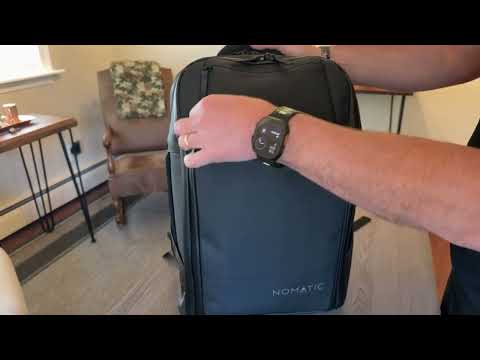
At the heart of the controversy is the revelation that airlines have agents at the gates checking passengers' carry-on bags. If a bag is deemed too large, passengers are forced to check it in, often incurring additional fees. Senator Hawley has criticized this practice, claiming it contributes to a poor flying experience and is indicative of corporate greed.
One of the most contentious points is the existence of bounty programs, where gate personnel are incentivized to identify oversized bags. Reports indicate that airlines may pay agents around $10 for each bag they make a passenger check in. This practice has raised eyebrows, especially as it appears to target unsuspecting travelers.
Critics often argue that airlines are greedy, but a closer look at their financials tells a different story. In 2022, the global airline industry collectively made less than $30 billion in profit, a stark contrast to tech giants like Apple, which reported nearly $100 billion in profit alone. This highlights that the airline industry operates on razor-thin margins, often around 3%.
Historically, air travel was a luxury reserved for the wealthy, with lavish accommodations and complimentary meals. Today, however, airlines have adapted to serve a broader demographic, leading to cost-cutting measures that include charging for checked bags. The shift to budget airlines has made flying more accessible, but it has also changed the expectations and experiences of travelers.
The airline industry's pricing strategies are influenced by consumer psychology. Many travelers are drawn to the lowest upfront costs, often overlooking the additional fees associated with budget airlines. This behavior mirrors the experience of JC Penney, which attempted to simplify pricing but ultimately struggled because consumers are accustomed to discounts and promotions.
Consumers often prioritize immediate savings over long-term costs. For instance, a budget airline ticket may appear cheaper, but when additional fees for baggage and seat assignments are added, the total cost can exceed that of a more inclusive fare from a traditional airline. This behavior perpetuates the cycle of nickel-and-diming that frustrates many travelers.
Budget airlines like Spirit and Frontier play a crucial role in keeping airfare affordable. If these airlines were to disappear, the demand for seats on traditional carriers would increase, likely leading to higher prices. Thus, the existence of budget airlines is essential for maintaining competitive pricing in the industry.
For those who wish to avoid the baggage fee dilemma, choosing airlines with more inclusive policies, such as Southwest, can be beneficial. Southwest does not charge for checked bags, but it has faced its own financial challenges, prompting it to explore new revenue streams.
The airline baggage scandal is a complex issue rooted in consumer behavior, corporate practices, and the financial realities of the airline industry. While it is easy to label airlines as greedy, the truth is that they operate on very slim margins and face significant operational challenges. As consumers, we have the power to make informed choices about our travel experiences. Understanding the intricacies of airline pricing can help us navigate the complexities of air travel more effectively.
In the end, the airline industry remains a vital part of our global economy, enabling us to connect with loved ones and explore the world. As we approach the holiday season, let us appreciate the hard work that goes into making air travel possible, even amidst the frustrations that may arise.