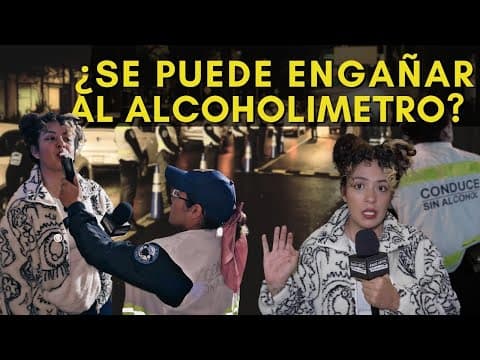
This blog post explores the operations of the alcoholimeter in Mexico City, highlighting personal experiences, police protocols, and the impact of alcohol consumption on driving safety. It includes interviews with officials and citizens, revealing the complexities of enforcement and public perception.
In Mexico City, the alcoholimeter has become a crucial tool in promoting road safety and preventing accidents caused by drunk driving. This blog post delves into the operations of the alcoholimeter, sharing firsthand experiences from both citizens and police officers involved in the enforcement process. Through interviews and observations, we aim to provide a comprehensive understanding of how the alcoholimeter functions and its implications for public safety.
Many individuals underestimate the dangers of driving under the influence. As one participant noted, "I was driving while intoxicated, and now we have to take the metro." This sentiment reflects a common attitude where the vehicle takes precedence over personal safety. Often, passengers express more concern for the car than for the driver’s well-being, highlighting a troubling mindset.
Several anecdotes illustrate the gravity of the situation. One officer recounted an incident involving two young parents driving with their newborn while heavily intoxicated. Such scenarios raise critical questions about responsibility and the potential consequences of impaired driving.
The alcoholimeter serves as a preventive measure against drunk driving. During a recent episode of Ruido Social, the host visited an alcoholimeter checkpoint to gain insights into its operations. The police officers explained the procedure, emphasizing that the goal is not merely to detain individuals but to prevent tragic accidents.
When a driver is stopped, they are asked to blow into a device that measures their blood alcohol content (BAC). The legal limit in Mexico City is 0.40. If a driver exceeds this limit, they are considered an infractor and are taken to a detention center. The officers explained that the process is straightforward: "Sopla fuerte" (blow hard) is the command given to ensure an accurate reading.
The public's reaction to alcoholimeter checkpoints varies. Some individuals express frustration, believing that police should focus on more pressing issues, such as crime prevention. One young man stated, "They should be working on real crimes instead of wasting time here." However, others recognize the importance of these checkpoints in preventing accidents.
The enforcement of alcohol limits has reportedly led to a 30% reduction in alcohol-related accidents over the past five years. This statistic underscores the effectiveness of the program, as noted by Juan Manuel Ríos Navarrete, the director of preventive programs at the Secretaría de Seguridad Ciudadana. He emphasized that the initiative aims to protect all citizens, not just those who are stopped.
For many, being stopped at an alcoholimeter checkpoint can be a daunting experience. One participant shared their apprehension, saying, "I have a lot of fear. I prefer to go to the detention center than face my wife." This fear reflects the societal stigma associated with being caught driving under the influence.
Once a driver is found to be over the legal limit, they are taken into custody. The process involves a brief detention period, during which the individual must remain compliant. Officers are trained to handle these situations with care, often employing de-escalation techniques to manage aggressive behavior.
Recent advancements in technology have improved the accuracy and efficiency of alcohol testing. New devices allow officers to conduct tests without direct contact, minimizing health risks, especially during the pandemic. The use of environmental alcohol meters has also enhanced the ability to detect alcohol from a distance, ensuring that only those who need to be tested are subjected to the procedure.
The alcoholimeter program in Mexico City represents a significant effort to enhance road safety and reduce alcohol-related accidents. Through the insights shared by both police officers and citizens, it is clear that while there are challenges and frustrations, the overarching goal is to protect lives. As one officer poignantly stated, "Think about your family and how you should return home safely." This message resonates deeply, reminding us all of the importance of responsible driving.
As we reflect on the operations of the alcoholimeter, it is essential for citizens to understand the implications of their choices. The next time you consider driving after drinking, remember the potential consequences—not just for yourself, but for everyone on the road. Let's prioritize safety and make responsible decisions to ensure a safer community for all.