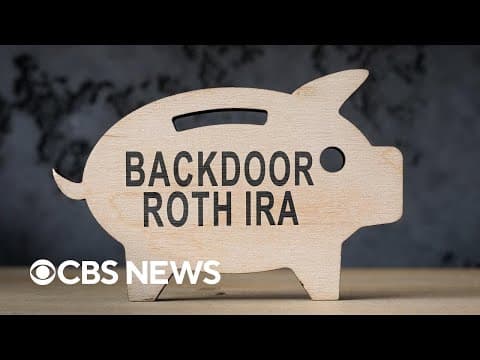
The Backdoor Roth IRA is a strategy that allows high earners to bypass income limits on Roth IRA contributions. By making non-deductible contributions to a traditional IRA and converting them to a Roth IRA, individuals can benefit from tax-free growth and withdrawals in retirement. This blog explores the mechanics, benefits, and considerations of using a Backdoor Roth IRA for retirement savings.
Saving for retirement is a significant concern for many Americans, especially high earners who may find themselves excluded from traditional savings options due to income limitations. The Backdoor Roth IRA presents a solution for these individuals, allowing them to take advantage of the benefits of a Roth IRA despite their high income. In this blog post, we will explore what a Backdoor Roth IRA is, how it differs from traditional retirement accounts, and who can benefit from this strategy.
A Backdoor Roth IRA is a method that allows individuals to contribute to a Roth IRA even if their income exceeds the limits set by the IRS. To understand this strategy, it is essential to first differentiate between a traditional IRA and a Roth IRA.
To contribute directly to a Roth IRA, your income must be below certain thresholds. For married couples, the limit is $230,000, while single filers or heads of households must earn less than $146,000. These limitations can prevent high earners from benefiting from the tax advantages of a Roth IRA.
The Backdoor Roth IRA allows high earners to circumvent these income restrictions through a two-step process:
This strategy is perfectly legal and is often referred to as a "backdoor" because it provides a way for high earners to access the benefits of a Roth IRA without directly contributing to one.
The Backdoor Roth IRA is particularly beneficial for high earners who are concerned about future tax rates. For example, young married professionals earning around $250,000 may worry that they will not be able to take advantage of Roth IRAs as their income increases over time. The Backdoor Roth IRA allows them to secure tax-free growth for their retirement savings.
It is also important to note that income limitations apply only to individual IRAs. Many employers offer Roth options within their 401(k) or 403(b) plans, which are not subject to the same income restrictions. This means that high earners can still contribute to a Roth account through their workplace retirement plans without needing to utilize the Backdoor Roth strategy.
Interest rates can significantly influence how much individuals save for retirement. Lower-income earners, particularly those making less than $100,000 a year, may struggle to save due to inflation and rising costs. Conversely, higher earners may find that workplace retirement plans, which often include employer matching contributions, can help them save more effectively, even in a high-interest-rate environment.
While high interest rates can be burdensome for those with outstanding debts, they can also benefit savers. Higher interest rates on savings accounts and CDs can provide better returns on cash savings, encouraging individuals to set aside more money for retirement.
The Backdoor Roth IRA is a valuable strategy for high earners looking to maximize their retirement savings. By understanding the mechanics of this approach and recognizing the benefits of Roth IRAs, individuals can take proactive steps to secure their financial future. Whether through direct contributions or workplace plans, it is essential to explore all available options to ensure a comfortable retirement.