
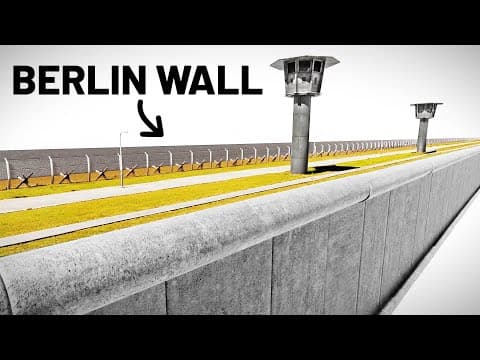
The Berlin Wall, a stark symbol of division between East and West Berlin, was constructed to prevent citizens from fleeing to the West. This blog post explores the wall's history, its construction, the tragic stories of escape attempts, and its eventual transformation into a canvas for artistic expression.
The Berlin Wall, which stood for nearly 30 years, was more than just a physical barrier; it was a profound symbol of the ideological divide between East and West. This post delves into the history of the wall, its construction, the human stories behind escape attempts, and its eventual transformation into a canvas for artistic expression.
Living in Berlin before the wall was built was a unique experience. Residents could move freely throughout the city, but they were categorized as either East Berliners or West Berliners. After World War II, the victorious nations divided Berlin into several sectors. The Soviet occupation zone became East Germany, a socialist state, while the western part was effectively controlled by West Germany, a capitalist state.
This division led to a coexistence of two very different systems, with East Berliners often seeking jobs in the West for better wages and opportunities. Conversely, West Berliners would venture into the East for cheaper services. The stark contrast was evident in the urban landscape: West Berlin boasted modern stores filled with Western consumer goods, while East Berlin featured grand socialist architecture.
On August 13, 1961, the East German government abruptly closed the border, effectively splitting the city. Families were torn apart, and the government justified this action as a necessary measure to protect the state from citizens fleeing to the West. Initially, the wall was a makeshift barrier of fences and barbed wire, but construction soon began on a more permanent structure.
The early wall was rudimentary, with only 10% of the border fortified due to material shortages. In some cases, the wall even cut through residential buildings, forcing residents out and sealing windows with bricks. This led to tragic escape attempts, such as that of Peter Fechter, who was shot while trying to flee. His story, along with many others, highlighted the desperate measures people took to seek freedom.
As escape attempts increased, the East German authorities fortified the wall with more security features. Over the years, the wall transformed from a simple barrier into a complex system designed to prevent crossings. By 1975, the wall had evolved into a formidable structure, featuring:
The wall's design aimed to deter escapees while also creating a sense of hopelessness among East Berliners. However, the smooth concrete surface of the wall inadvertently became a canvas for graffiti, showcasing the stark contrast between life in the East and West.
Despite the dangers, many individuals attempted to escape the oppressive regime. One notable story is that of two friends, Gunter Wetzel and Peter Strelzik, who attempted to build a homemade hot air balloon to flee to the West. Their daring plan ended in disaster when a hole tore in the balloon shortly after takeoff, leading to a crash.
These stories of courage and desperation reflect the human spirit's desire for freedom, even in the face of overwhelming odds. The tragic tales of those who lost their lives trying to cross the wall serve as a reminder of the harsh realities of life under a divided regime.
The Berlin Wall was not just a physical barrier; it represented the broader division of Germany and the ideological conflict of the Cold War. Its eventual fall in 1989 marked a significant turning point in history, symbolizing the end of an era of division and the beginning of reunification.
Today, the remnants of the wall serve as a powerful reminder of the past, with sections covered in graffiti that tell stories of resistance and hope. The Berlin Wall stands as a testament to the struggles faced by those who sought freedom and the enduring impact of political division on human lives.
In conclusion, the Berlin Wall was a complex structure that evolved over time, reflecting the political climate of its era. Its history is filled with stories of bravery, tragedy, and ultimately, hope for a better future. The wall's legacy continues to resonate, reminding us of the importance of freedom and the human spirit's resilience against oppression.



















