This blog post provides a detailed overview of the critical incident briefing regarding the shooting at Kelly and Moross, including police procedures, evidence, and the ongoing investigations.
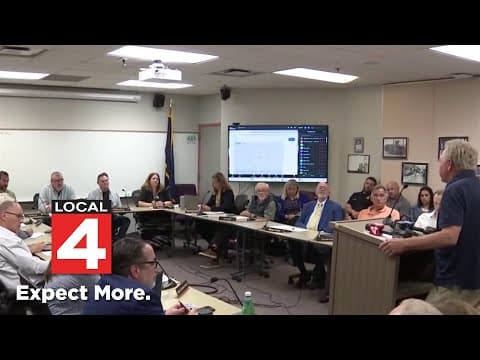
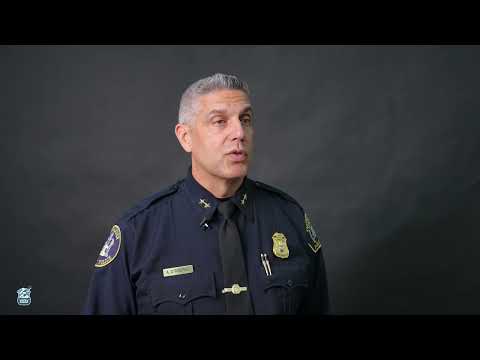
In a recent critical incident briefing, Todd Bedison, Chief of Police of the Detroit Police Department, emphasized the department's commitment to transparency with the community. This briefing aims to provide clarity on the events surrounding a police shooting incident that occurred on September 18th. The following content outlines the details of the incident, the police response, and the ongoing investigations.
On September 18th, at approximately 10:20 p.m., officers approached a business parking lot in the area of Moros and Kelly. They observed a group of individuals consuming what appeared to be alcohol or intoxicants from clear plastic cups. Upon noticing the officers, one individual turned away and fled on foot, disregarding commands to stop.
The officers, believing the individual might be armed due to the imprinting on his clothing, pursued him while issuing commands to halt. During the chase, the suspect drew a handgun and ran through various locations, including alleys and parking lots. At a critical moment, Officer A encountered the suspect, who was facing him with the gun raised. In response, Officer A discharged his weapon, firing a total of eight shots, six of which struck the suspect. The suspect was in the process of throwing the handgun onto a business rooftop when he was shot.
Following the shooting, officers secured the suspect and rendered aid. Officer B, who had joined the pursuit later, was not present when the shots were fired but arrived shortly after the incident. The police utilized both body-worn cameras and dash cam footage to document the events, providing a comprehensive view of the incident from multiple angles.
The briefing included relevant video footage from the incident, showcasing the actions of the officers involved. Body-worn cameras, which are standard for officers on field duty, capture audio and video from the officer's perspective. However, it is important to note that the camera's angle may limit the viewer's understanding of the full context of the situation.
Chief Bedison cautioned viewers that the footage may contain graphic content and strong language, advising discretion, especially for young children and sensitive viewers.
Following any critical incident, two types of investigations are initiated: criminal and administrative.
Criminal Investigation: Conducted by the Homicide Task Force, which includes members from the Michigan State Police and the Detroit Police Department. This investigation focuses on gathering and examining all evidence related to the incident. Once completed, the findings are submitted to the Wayne County Prosecutor's Office for an independent review to determine if charges are warranted.
Administrative Investigation: Handled by the Detroit Police Department's Force Investigations Unit, this investigation assesses whether the officers' actions were justified and compliant with departmental policies and training. Depending on the findings, disciplinary actions may be recommended, and changes to training or regulations may be proposed.
In cases where an officer's conduct appears egregious, the Chief of Police may recommend changes to the officer's duty status. This can include administrative leave without pay, while still providing medical benefits, effectively removing the officer's law enforcement authority until a hearing is conducted.
The critical incident briefing regarding the shooting at Kelly and Moross serves as a vital tool for community transparency and understanding. As investigations continue, the Detroit Police Department remains committed to upholding integrity, professionalism, and public trust. The outcomes of both the criminal and administrative investigations will play a crucial role in determining the next steps for the officers involved and the department as a whole.