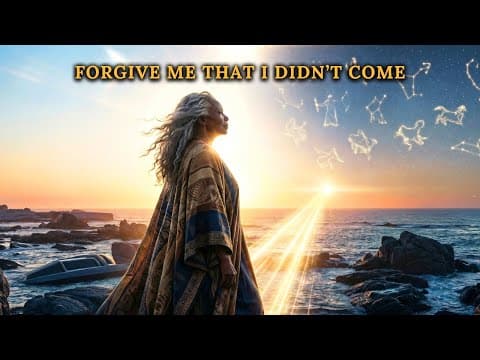
Iyana's song "Forgive Me That I Didn't Come" explores themes of loss, struggle, and resilience within the African diaspora. Through poignant lyrics, the artist reflects on the pain of separation and the enduring connection to heritage and family. The song serves as a powerful reminder of the battles fought by ancestors and the ongoing journey towards liberation and identity.
Iyana's song "Forgive Me That I Didn't Come" resonates deeply with listeners, particularly within the context of the African diaspora. The lyrics convey a profound sense of loss, struggle, and the enduring connection to one's roots. This blog post delves into the themes presented in the song, exploring the emotional weight carried by the artist and the historical significance behind the words.
The opening lines of the song set a somber tone, as Iyana asks for forgiveness for not being present during pivotal moments in her children's lives. The imagery of ships pulling away symbolizes the forced separation experienced by many families during the transatlantic slave trade. This absence is not just physical but emotional, as the artist reflects on the cries of her daughters and the battles she fought silently.
Iyana emphasizes that her absence was not due to neglect but rather a struggle against unseen chains. The metaphor of chains wrapped around her hands illustrates the constraints imposed by societal and historical forces. Despite these challenges, she expresses a relentless desire to connect with her children, highlighting the internal battles faced by many who are separated from their heritage.
The lyrics reference Haiti, a nation known for its revolutionary spirit and fight against colonial oppression. Iyana acknowledges the sacrifices made by her ancestors, stating that Haiti is "paying the price for daring to break THE CHAINS." This line serves as a reminder of the historical struggles faced by the Haitian people and their ongoing fight for freedom and identity.
Throughout the song, Iyana reassures her children that they were never forgotten. The phrase "the blood always knows" signifies an unbreakable bond that transcends time and distance. This connection to ancestry and heritage is a recurring theme in the African diaspora, where the past continues to influence the present.
Iyana's lyrics also celebrate resilience and the strength found in community. She acknowledges the cultural contributions of her people, stating that they built cities with dance and joy, even amidst adversity. This celebration of culture serves as a powerful reminder of the importance of heritage and the role it plays in shaping identity.
The repeated plea for forgiveness throughout the song underscores the complexity of familial relationships, particularly in the context of historical trauma. Iyana's acknowledgment of her struggles invites listeners to reflect on their own experiences of loss and the importance of understanding and compassion within families.
In the closing lines, Iyana emphasizes that the journey is not over. The call to find ancestors and return to their stories highlights the ongoing quest for identity and belonging within the African diaspora. "Forgive Me That I Didn't Come" is more than just a song; it is a poignant reminder of the struggles faced by many and the enduring strength of familial bonds. Through her music, Iyana invites listeners to reflect on their own histories and the importance of remembering those who came before us.