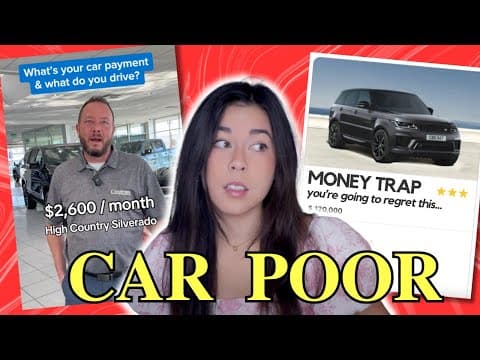
Being 'car poor' refers to spending beyond one's means on a vehicle, leading to financial strain. This blog post explores the implications of car ownership, the marketing tactics that encourage overspending, and offers advice on how to avoid falling into the trap of being car poor.
Car commercials often portray buying a vehicle as a life-changing decision, yet they gloss over the financial realities involved. The trope of surprising a loved one with an expensive car, such as a $660,000 luxury vehicle, is particularly absurd. For most people, purchasing a car should involve careful budgeting and discussion, not impulsive surprises. This blog post delves into the concept of being 'car poor' and how to avoid the financial pitfalls associated with car ownership.
Being 'car poor' refers to spending beyond one's means on a vehicle. This can manifest in several ways:
A relatable example is Ross Geller from the television show Friends. In a financial audit of the character, it was revealed that Ross impulsively bought a red sports car for his 30th birthday. Despite earning around $80,000 a year, his car expenses—including payments, insurance, and maintenance—totaled approximately $1,500 a month, which was about a third of his take-home pay. This situation exemplifies how even seemingly manageable payments can lead to financial distress.
Experts recommend that transportation costs should not exceed 15% of your budget. Overspending on a vehicle can leave you vulnerable to unexpected expenses, such as home repairs or emergencies, forcing you to rely on credit cards. Unfortunately, many individuals are unaware of how much they are spending on their cars.
Car manufacturers spend billions on marketing, promoting vehicles as symbols of success and freedom. This marketing often emphasizes lifestyle and status rather than practicality. For instance, commercials rarely depict the realities of car ownership, such as traffic jams or repair costs. Instead, they focus on scenic drives and the emotional appeal of owning a new car.
When considering a car purchase, many buyers overlook the long-term financial implications of loans. For example, a low down payment might seem appealing, but high-interest rates can lead to significant costs over time. A buyer with a low credit score might face an 18% APR on a $30,000 loan, resulting in total payments exceeding $46,000 over six years. This scenario highlights the importance of understanding loan terms and the true cost of financing a vehicle.
Recent trends show that consumers are gravitating towards larger, more expensive vehicles, influenced by marketing and societal pressures. Manufacturers have responded by discontinuing smaller, more affordable options, further complicating the landscape for budget-conscious buyers.
Given the complexities of car ownership, it is crucial to approach purchases with caution. Here are some strategies to avoid becoming car poor:
Avoiding the trap of being car poor requires a mindful approach to car ownership. While cars are often necessary for daily life, it is essential to recognize their potential financial burdens. By making informed decisions and prioritizing functionality over status, you can achieve greater financial freedom.
Have you ever found yourself in a situation where you felt car poor? Share your experiences in the comments below. Don't forget to check out related content on financial literacy and subscribe for more insights on money and culture.