In a candid discussion, P. Diddy reflects on the music industry, exploring the concept of gatekeepers, the challenges artists face, and the psychological dynamics of control and exploitation within the industry. He emphasizes the importance of support and community among artists to navigate these challenges.
In a recent video, P. Diddy, also known as Sean Combs, shared his thoughts on the music industry from the comfort of his shed, as rain poured outside. His reflections delve into the complexities of artistry, the steep hierarchies that exist, and the often-overlooked psychological dynamics at play.
Diddy begins by acknowledging the dedication required to succeed in the music industry. Artists often invest more than the commonly cited 10,000 hours honing their craft, whether it be through playing instruments, singing, or producing. This dedication, however, leads to the formation of steep hierarchies within the industry, where gatekeepers emerge to control access to success.
Diddy raises a critical question: why do gatekeepers exist in the music industry? He points to the pressures artists face, including the looming threat of being cast aside or ostracized. This fear can be paralyzing, as it taps into a primal instinct for survival. The industry, he argues, is rife with individuals who exploit this fear, creating an environment where silence and compliance are often the only options for many artists.
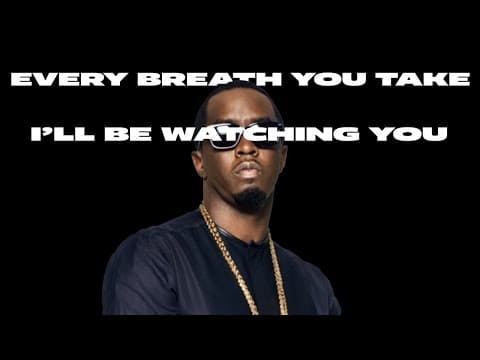
One of the most poignant moments in Diddy's reflection is his analysis of the song "Every Breath You Take" by The Police. He describes it as a misunderstood anthem of obsession and control, highlighting the darker aspects of relationships within the industry. The song's themes resonate with the experiences of many artists who find themselves trapped in cycles of manipulation and emotional abuse.
Diddy discusses a troubling trend in the entertainment industry: the culture of silence surrounding abuse and exploitation. He notes that many individuals, including high-profile figures, have been silenced for generations, only for their stories to emerge posthumously. This silence is often maintained through fear of annihilation, where individuals feel that questioning their circumstances could lead to dire consequences.
In a conversation with a psychologist, Diddy explores the concept of separation anxiety as a driving force behind the behavior of gatekeepers. He explains that these individuals often fear losing the very talents they seek to control, leading to a toxic dynamic where artists are coerced into submission. This psychological manipulation can leave lasting scars on those who experience it.
Recognizing the challenges artists face, Diddy expresses a desire to foster a supportive community. He plans to initiate weekly discussions on YouTube, where artists can come together to share their experiences, seek advice, and support one another in navigating the complexities of the industry. This initiative aims to provide a platform for open dialogue about the struggles artists encounter, from creative challenges to dealing with difficult personalities.
In closing, Diddy reflects on his journey and the aspirations he holds for the future. He acknowledges that while he has not yet achieved everything he hoped for, he remains committed to creating a space for artists to connect and support one another. His message is clear: in an industry fraught with challenges, the most valuable asset is the support we offer each other.
Diddy invites viewers to join him in this endeavor, emphasizing the importance of community and love in overcoming the obstacles that artists face. As he continues to navigate the complexities of the music industry, his reflections serve as a reminder of the power of solidarity and the need for change within the system.