
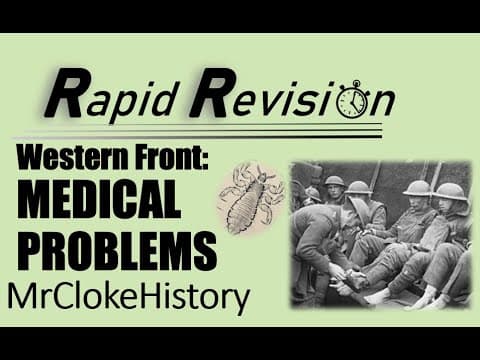
This blog post explores the severe health issues faced by soldiers in the trenches during World War I, including trench foot, trench fever, and the psychological impacts of war, highlighting the unsanitary conditions and the medical challenges of the time.
World War I was not only a battle of weapons and tactics but also a struggle against severe health problems that plagued soldiers in the trenches. While the enemy posed a direct threat, the conditions in which soldiers lived often proved to be equally, if not more, dangerous. This post delves into the various medical issues that arose during this tumultuous period, focusing on trench foot, trench fever, and the psychological toll of war.
The trenches of World War I were notorious for their unsanitary and hazardous conditions. Soldiers often faced muddy, filthy environments that were infested with rats and lacked proper sanitation facilities. Even though soldiers typically spent only a few days in the front-line trenches, the conditions were dire.
One of the most significant health issues was trench foot, a painful condition caused by prolonged exposure to cold, wet conditions. Soldiers often wore soaking wet boots that restricted blood flow to their feet, leading to severe swelling and tissue death.
Harry Roberts, a British soldier, vividly described the agony of trench foot, stating that feet could swell to two to three times their normal size, rendering them numb. If untreated, trench foot could lead to gangrene, requiring amputation, and even blood poisoning. It is estimated that up to one-sixth of the army could be affected by trench foot during cold weather.
Another lesser-known but significant ailment was trench fever, also referred to as pyrexia of unknown origin (PUO). This condition was characterized by symptoms such as back pain, joint pain, muscle aches, headaches, and fever. Trench fever was primarily caused by lice infestations, which thrived in the unsanitary conditions of the trenches.
Soldiers attempted to combat lice by crushing them between their fingernails and using various methods to clean their uniforms. More rigorous measures included fumigation and high-temperature laundry, but these efforts were often insufficient. The discomfort of trench fever not only affected soldiers' health but also removed them from the front lines, impacting military operations.
The psychological toll of war was another critical health issue, often referred to as shell shock, now recognized as post-traumatic stress disorder (PTSD). During the war, this condition was euphemistically termed "not yet diagnosed nervous" (NYDN). Soldiers suffering from shell shock exhibited various symptoms, including paralysis, shaking, and an inability to cope with their experiences.
Treatment for shell shock was rudimentary and often ineffective. Many soldiers were sent back to England for rest, but the army was concerned about the potential for fear to spread among troops. Consequently, many cases were treated close to the front lines, where the sounds of battle could trigger further distress.
In addition to the aforementioned conditions, soldiers faced a high risk of infections from wounds. The muddy and unsanitary conditions of the battlefield contributed to the prevalence of infections, which were often exacerbated by delays in receiving medical treatment. Without antibiotics, many soldiers succumbed to infections from even minor wounds.
One particularly deadly infection was gas gangrene, which resulted from bacteria entering wounds and causing the flesh to rot. The symptoms included a sweet smell followed by discoloration of the skin as the infection progressed. The only effective treatment was often amputation, highlighting the dire medical challenges faced by military doctors at the time.
The health challenges faced by soldiers in the trenches during World War I were multifaceted and severe. From trench foot and trench fever to the psychological impacts of shell shock, these issues placed immense strain on the medical services of the time. The unsanitary conditions, combined with the psychological toll of warfare, created a perfect storm of health crises that soldiers had to endure, often with little understanding or effective treatment available.
This exploration of the health problems in the trenches serves as a reminder of the hidden battles fought by soldiers during one of history's most devastating conflicts.



















