
This blog post explores the complex dynamics of migration, gender, and violence in the context of the Great Migration of African Americans from the South to the North and West during the early 20th century. It discusses the socio-economic factors driving migration, the rise of racial violence and nativism, and the activism of figures like W.E.B. Du Bois and Ida B. Wells in response to systemic racism and violence.
In this discussion, we delve into the historical context of racial hierarchies and the foundational changes occurring in America post-emancipation. We will focus on the Great Migration, examining how migration, gender, and violence intersected during this transformative period in American history.
The Great Migration refers to two significant waves of migration of African Americans from the rural South to urban centers in the North and West. The first wave occurred from 1910 to 1940, driven by various socio-economic factors, including the search for better job opportunities and the desire to escape the oppressive conditions of Jim Crow segregation.
During this period, industrial jobs became increasingly available in cities like New York, Chicago, and Detroit, particularly due to the demands of World War I and World War II. The military buildup and the growth of factories created a pull factor for many African Americans seeking higher-paying jobs. However, despite the promise of better wages, black workers often faced significant wage disparities compared to their white counterparts.
Leaving the South was fraught with danger, as vagrancy laws and the violent enforcement of Jim Crow made the journey perilous. Many migrants traveled with family or formed makeshift family units for safety. Community networks played a crucial role in facilitating this migration, providing support and resources for those seeking a new life in the North and West.
As African Americans migrated to urban areas, they encountered not only new opportunities but also significant backlash. The rise of nativism during this time, characterized by the belief in the superiority of native-born whites, fueled racial tensions. This resurgence was partly a reaction to the Great Migration and was exacerbated by anti-German sentiment during World War I.
The 1920s saw the emergence of a new iteration of the Ku Klux Klan, which expanded its focus beyond anti-black racism to include anti-immigrant and anti-Catholic sentiments. This new Klan was active in various regions, including the Midwest and West, and engaged in violent acts against communities of color, further entrenching racial hierarchies.
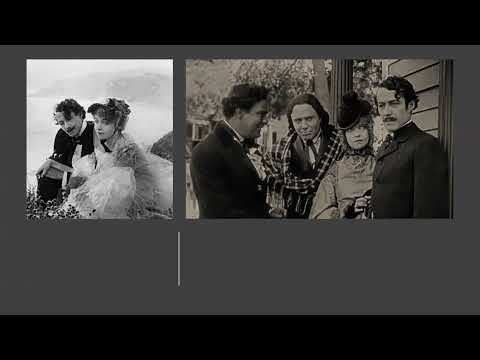
Cultural narratives, such as the 1915 film "The Birth of a Nation," played a significant role in shaping public perceptions of race and violence. The film portrayed the KKK as heroes, reinforcing harmful stereotypes and justifying racial violence. This film was widely popular and even screened at the White House, highlighting the mainstream acceptance of racist imagery and narratives.
The violence against African Americans during this period was not only physical but also systemic. The 1921 Tulsa Race Riot serves as a stark example, where a white mob attacked the prosperous black community of Greenwood, known as Black Wall Street, resulting in widespread destruction and loss of life. This event underscores the economic motivations behind racial violence, as black success was often met with violent resistance.
In response to the pervasive violence and discrimination, figures like W.E.B. Du Bois and Ida B. Wells emerged as key activists. Du Bois, a co-founder of the NAACP, emphasized the importance of education and civil rights in combating racial violence. His concept of double consciousness articulated the struggle of African Americans to reconcile their identity within a racially oppressive society.
Ida B. Wells was instrumental in documenting and protesting lynching, revealing the economic and social motivations behind these acts of violence. Her investigative work challenged the narratives that justified lynching, highlighting the systemic racism that underpinned these atrocities. Wells's activism laid the groundwork for future civil rights movements.
The intersections of migration, gender, and violence during the early 20th century reveal a complex landscape of racial dynamics in America. The Great Migration was not merely a movement for better economic opportunities; it was also a response to systemic violence and oppression. Understanding this history is crucial for recognizing the ongoing struggles against racial hierarchies and the importance of activism in the fight for equality.



















