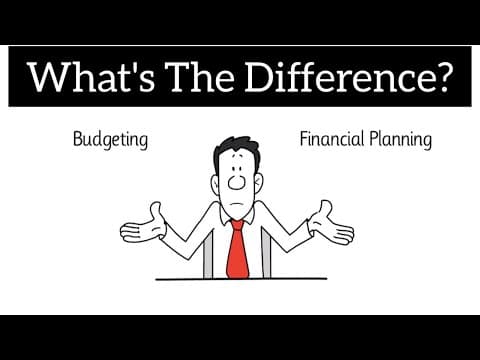
Budgeting and financial planning are essential components of personal finance, each serving distinct purposes. Budgeting focuses on managing current expenses and living within means, while financial planning provides a roadmap for achieving long-term financial goals. Together, they help individuals navigate their financial futures effectively.
In today's financial landscape, many individuals often confuse budgeting with financial planning. While both are crucial for managing personal finances, they serve different purposes and functions. This article will explore the core differences between budgeting and financial planning, particularly for beginners, and how they work together to help you achieve your financial goals.
Budgeting is primarily about managing your current finances. The main goal of budgeting is to help individuals live within their means. By actively working on a budget, you can track your spending and cut down on unnecessary expenses. Here are some key aspects of budgeting:
The essence of budgeting is to ensure that you do not overspend. This involves understanding your income and expenses and making conscious decisions about where your money goes. A well-structured budget allows you to allocate funds to essential needs first, such as rent, groceries, and savings for emergencies.
To create an effective budget, you need to divide your income across various expense categories and savings. This is typically done using a budget planner. Most people receive income on a regular schedule—weekly, bi-weekly, or monthly—which should be considered when planning your budget.
Budgeting is not a one-time task; it requires ongoing tracking and adjustments. Flexibility in your budget can make it easier to follow, and regular reviews can help you stay on track. In summary, budgeting is a tool for managing short-term financial situations and achieving immediate goals.
In contrast to budgeting, financial planning is a broader concept that focuses on your long-term financial future. It considers your current financial situation and outlines where you want to be in the future. Here are the main components of financial planning:
Financial planning is designed to help you achieve long-term goals, such as:
These goals are reflected in your budget as savings targets, but financial planning encompasses a more comprehensive view of your financial journey.
Life circumstances can significantly impact your financial plan. Events such as job loss, illness, or new family additions can necessitate adjustments to your financial strategy. Therefore, just like budgeting, financial planning requires regular reviews and updates to stay relevant to your life situation.
Financial planning also involves ongoing education in areas relevant to your long-term goals. While you cannot control unexpected life events, you can plan for aspects within your control, such as investments and savings strategies.
Budgeting and financial planning complement each other effectively. A budget helps you manage your money and avoid debt, while a financial plan provides a framework for achieving your long-term financial aspirations. Together, they empower you to navigate your financial future with confidence.
In conclusion, understanding the differences between budgeting and financial planning is essential for anyone looking to improve their personal finances. Budgeting focuses on managing current expenses and living within your means, while financial planning provides a roadmap for achieving long-term goals. By utilizing both strategies, you can create a solid foundation for your financial well-being and work towards a secure future.