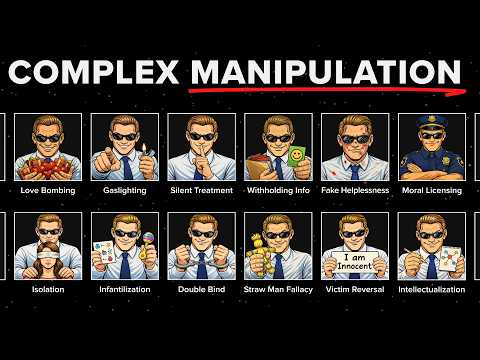
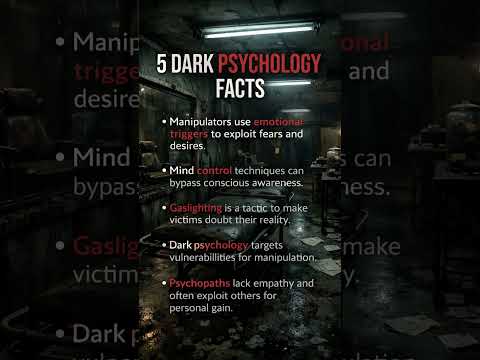
Manipulation can be subtle and complex, often disguised as care or personal growth. This article delves into four of the most intricate psychological manipulation techniques used to control and destabilize individuals: the double bind, future faking, love bombing, and intermittent reinforcement. Understanding these tactics is crucial to recognizing and protecting oneself from emotional abuse.
The Double Bind: A Psychological Cage
The double bind is a manipulative tactic where a person is trapped between two conflicting demands, ensuring punishment regardless of the choice made. This creates a rigged game designed to erode sanity by making correct behavior impossible.
How the Double Bind Works
- It often starts innocently, disguised as a request for personal growth or better communication.
- For example, a manipulator may ask you to be more vulnerable and share your feelings openly.
- When you express genuine emotions like fear or frustration, they recoil and accuse you of being too sensitive or dramatic.
- Punished for doing exactly what was asked, you become confused.
- Trying to adjust, you may become stoic and keep feelings to yourself to avoid upsetting them.
- Then, they accuse you of being distant or hiding things.
The Paralyzing Loop
- You find yourself stuck in a loop where every action leads to criticism:
- Speaking up is attacking them.
- Staying silent is neglecting them.
- Taking charge is controlling.
- Asking for input is weakness.
- The manipulator constantly changes the rules, making it impossible to win.
- This induces psychological paralysis as your brain tries to find logic in an illogical situation.
The Impact on Autonomy
- Over time, this destroys your internal compass.
- You become incapable of making decisions without their approval.
- The manipulator seeks a partner too afraid to act rather than one who does the right thing.
Future Faking: The Mirage of a Promised Tomorrow
Future faking is a manipulation tactic where a predator creates a detailed, alluring vision of the future to extract resources or compliance in the present.
The Illusion of Destiny
- It begins with shared dreams that feel destined.
- The manipulator doesn't just promise commitment; they visualize it with high specificity:
- Where you will live.
- Names of future children.
- Businesses you will start.
- Trips you will take.
- These vivid details bypass skepticism, making your brain treat them as plans rather than fantasies.
Organizing Life Around False Promises
- You may turn down other opportunities, ignore red flags, or lend money, believing in a guaranteed outcome.
- You endure bad behavior, fixated on the promised payoff.
The Moving Goalposts
- When the time for the promised event arrives, a crisis or excuse delays it.
- The timeline shifts silently, keeping you compliant but uncertain.
- Your brain struggles to distinguish between vividly imagined futures and memories.
Love Bombing: Overwhelming Affection as a Control Strategy
Love bombing is a predatory manipulation strategy where an individual overwhelms you with excessive affection, flattery, and attention to establish rapid dominance.
The Intensity That Disarms
- From the start, they idolize you, bombarding you with messages and elaborate dates.
- They declare you their soulmate with frightening conviction.
- They mirror your values and interests perfectly.
Data Collection Under the Guise of Intimacy
- This intense attention is not genuine intimacy but a way to learn exactly what you need to hear.
- Your boundaries dissolve under the weight of their adoration.
- You feel special, seen, and safe.
The Expiration of the Golden Period
- Once fully invested, the mask slips.
- Adoration turns into devaluation:
- Texts stop.
- Compliments become subtle digs at your insecurities.
- You are punished for the opposite behavior, left desperate to fix a problem that doesn’t exist.
Intermittent Reinforcement: Creating a Trauma Bond Through Unpredictability
Intermittent reinforcement is a psychological conditioning method where rewards like affection or validation are delivered unpredictably rather than consistently.
The Cycle of Warmth and Coldness
- It starts with a golden period of intense, consistent warmth.
- Your brain establishes this as the baseline, creating a sense of security.
- Suddenly, without warning, the warmth disappears, replaced by coldness or subtle cruelty.
The Confusion and Self-Doubt
- You try to find a reason for the shift, replaying interactions to find mistakes.
- This unpredictability creates a biological addiction to the relationship.
- The cycle of reward and punishment fosters a trauma bond, making it difficult to leave.
Conclusion
These manipulation techniques are sophisticated psychological traps designed to control, confuse, and destabilize victims. Recognizing the double bind, future faking, love bombing, and intermittent reinforcement can empower individuals to protect their autonomy and mental health. Awareness is the first step toward breaking free from these harmful patterns and reclaiming control over one’s life.