
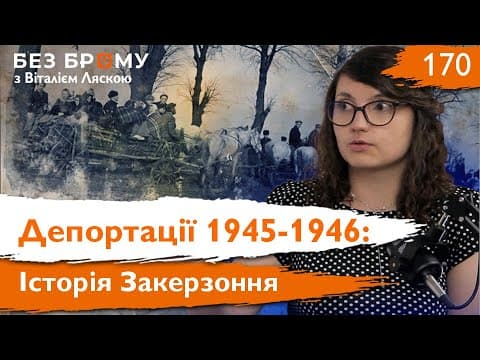
This blog post explores the historical context of the Polish-Ukrainian border, focusing on the Ukrainian ethnic territories that were affected by geopolitical changes in the 20th century. It discusses the demographic composition of these regions before World War II, the impact of Polish governance on Ukrainian society, and the tragic events of deportations during and after the war, highlighting the complexities of identity, culture, and memory in the context of Ukrainian history.
In this discussion, we delve into a significant yet often overlooked topic regarding the Ukrainian ethnic territories that found themselves outside the borders of Ukraine due to geopolitical shifts. Specifically, we focus on the region known as Zakерзоння, which was home to a substantial Ukrainian population prior to World War II.
To understand the historical context, we must first examine the demographic data from the Polish censuses of 1921 and 1931. In the region of Holomщини, approximately 700,000 to 1 million people resided, with about a quarter identifying as Ukrainian. However, the census did not explicitly categorize Ukrainians, instead listing them under religious affiliations such as Orthodox or Greek-Catholic. In the mountainous area of Lemківщина, the Ukrainian population was around 19.6%. The region of Natsіya, which overlaps with Galicia, had an even larger Ukrainian presence, contributing to the rich tapestry of Ukrainian culture and identity in these territories.
Following World War I, the Polish government imposed restrictions on Ukrainian societal organizations, which significantly impacted cultural and political life. For instance, the Ukrainian charitable organization "Rідна Хата" was restructured, and political movements such as the Ukrainian National Democratic Alliance (UNDO) emerged, advocating for Ukrainian rights and representation in the Polish parliament. The Ukrainian cooperative movement also flourished, with various organizations working to preserve Ukrainian culture and identity.
The national liberation movement in the early 20th century saw Ukrainians in these territories striving for political representation and cultural autonomy. They participated in elections to the Polish Sejm and Senate, seeking to address issues such as the restoration of Orthodox churches and the establishment of Ukrainian schools. However, the political landscape was fraught with challenges, particularly in Holomщини, where Polish authorities actively suppressed Ukrainian identity.
The onset of World War II drastically altered the dynamics in Zakерзоння. The Ukrainian-Polish conflict intensified, leading to tragic events marked by violence and retaliatory actions between communities. The German occupation further complicated these relations, as the Nazis manipulated ethnic tensions to their advantage, exacerbating the situation.
The most harrowing chapter in this history is the mass deportations that occurred in the 1940s. The Polish government, under pressure from Soviet authorities, initiated a series of deportations aimed at establishing a mono-ethnic Polish state. Between 1944 and 1946, approximately 482,000 Ukrainians were forcibly relocated to the Soviet Union, while a similar number of Poles were moved in the opposite direction. This process was often brutal, involving violence and the destruction of communities.
The deportations were characterized by a mix of coercion and voluntary compliance. Some individuals were persuaded by promises of better living conditions in the Soviet Union, while others faced threats to their safety and property. The conditions during transport were dire, with many families losing their belongings and facing harsh treatment from authorities.
The aftermath of the deportations left deep scars on the Ukrainian community. Many individuals struggled to adapt to new environments, facing cultural and linguistic barriers. The trauma of displacement affected family dynamics and community cohesion, leading to a complex relationship with their heritage.
The memory of these events remains contentious. In contemporary discussions, there is often a reluctance to address the painful history of deportations and the broader implications for Polish-Ukrainian relations. The narrative surrounding these events is shaped by political agendas and societal attitudes, complicating efforts to foster understanding and reconciliation.
The history of Zakерзоння and the deportations of Ukrainians is a crucial aspect of understanding the broader Ukrainian narrative. It highlights the complexities of identity, memory, and cultural heritage in the face of geopolitical upheaval. As we reflect on these events, it is essential to acknowledge the past while striving for a more inclusive and nuanced understanding of our shared history.



















