
The Progressive Era (1901-1917) was a time of significant reform in the United States, addressing issues stemming from the Gilded Age, including industrialization, immigration, and social justice. Key figures like Theodore Roosevelt, William Howard Taft, and Woodrow Wilson led efforts to limit the power of big businesses, expand democracy, and improve social conditions. The movement was characterized by diverse groups advocating for political, economic, and social reforms, ultimately leading to a more active role for the federal government.
The Progressive Era, spanning from 1901 to 1917, was a pivotal period in American history marked by widespread reform aimed at addressing the challenges that arose during the Gilded Age. This era was characterized by a collective desire for political, economic, and social reform, driven by a diverse group of individuals and movements.
When we think of progressivism, we think of reform. The Progressive movement sought to tackle various issues, including:
The underlying causes of these reforms were deeply rooted in the problems of the Gilded Age, which included rapid industrialization, massive immigration, urbanization, and the rise of monopolies and trusts. The government at the time was perceived as ineffective in addressing these issues, prompting progressives to advocate for change without seeking to overthrow the existing societal structure.
The primary goals of the progressives included:
Progressives believed that the federal government should play a more active role in implementing these reforms, which were seen as necessary to improve society.
Progressivism began at the local and state levels before gaining national traction with the presidencies of Theodore Roosevelt, William Howard Taft, and Woodrow Wilson. These three presidents are often referred to as the Progressive presidents, each contributing to the movement in significant ways.
The late 1800s saw the emergence of a growing middle class that became increasingly alarmed by the power of big businesses and the stark divide between the rich and the poor. This middle class, composed of white-collar workers, doctors, lawyers, and small business owners, feared the potential for conflict arising from economic disparities.
One of the major targets of the progressives was the corrupt political machines that dominated many cities. They sought to eliminate the spoils system and promote fairer political practices. Additionally, civil rights activists within the movement aimed to reform Jim Crow laws that enforced racial segregation.
The progressive movement was a broad coalition that included various groups united by the common goal of reform. This included:
The movement was not limited to one political party; both progressive Republicans and Democrats sought reform, with notable figures such as Robert La Follette and William Jennings Bryan leading the charge.
The philosophy of pragmatism played a significant role in shaping progressive thought. Pragmatism emphasized practical solutions over idealistic ones, advocating for a trial-and-error approach to governance and reform. This philosophy encouraged the application of scientific methods to improve efficiency in both government and industry.
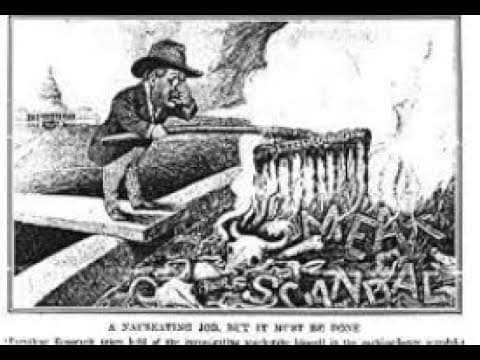
Investigative journalists known as muckrakers played a crucial role in exposing the problems of the Gilded Age. They brought to light issues such as corruption, poor living conditions, and the exploitation of workers. Notable muckrakers included:
These revelations galvanized public support for reform and increased awareness of the need for government intervention.
The progressive movement initiated several key political reforms aimed at increasing voter participation and reducing corruption:
Additionally, initiatives, referendums, and recalls empowered citizens to propose laws, vote on legislation, and remove elected officials from office.
City governments also underwent significant changes during this period. Progressive leaders like Samuel Jones advocated for public control of utilities and the establishment of city commissions to replace corrupt political machines. This shift aimed to create more efficient and accountable local governments.
The progressives also championed social reforms, including:
The Progressive Era was a time of significant change and reform in the United States, driven by a diverse coalition of individuals and groups advocating for a more just and equitable society. As we move into the second half of this chapter, we will explore how the Progressive Movement expanded nationally and the impact of the Progressive presidents on American society. The legacy of this era continues to influence contemporary discussions about reform and government responsibility in addressing social issues.



















