This blog post explores the phenomenon of being 'credit card poor', where individuals spend beyond their means using credit cards, leading to significant debt. It discusses the societal pressures, psychological factors, and the predatory nature of credit card companies that contribute to this issue, along with actionable steps to avoid falling into this trap.
In recent years, the term "credit card poor" has gained traction as more individuals find themselves in significant debt due to excessive credit card spending. Currently, the average American carries around $7,000 in credit card debt, with many facing even higher balances. This blog post delves into the reasons behind this growing trend, the psychological factors at play, and offers practical advice on how to avoid falling into the credit card debt trap.
As of late 2024, American credit card debt reached a staggering $1.21 trillion, the highest level recorded by the Federal Reserve in two decades. Despite this alarming statistic, social media often portrays a different reality, showcasing individuals living lavish lifestyles, which can distort our perception of financial health.
Social media platforms are filled with images of extravagant purchases, trendy outfits, and luxurious vacations. This constant exposure can create a false sense of wealth, leading many to believe that everyone around them is financially secure. However, the reality is that a significant portion of consumer spending is concentrated among the wealthiest individuals. According to the Wall Street Journal, nearly half of all consumer spending is attributed to the top 10% of earners, those making over $250,000 a year. This disparity can skew our understanding of financial norms and pressures.
Many individuals fall into the trap of credit card debt while attempting to maintain a lifestyle that exceeds their financial means. This often leads to a cycle where superficial appearances mask underlying financial struggles. For instance, at events like Coachella, a staggering 60% of general admission tickets were purchased through buy now, pay later plans, indicating that many are financing their experiences on credit.
The average credit card interest rate hovers around 24%, meaning that a significant portion of what individuals owe accumulates as interest. For example, if someone has $5,000 in credit card debt and pays only $100 a month, they may find that their balance remains unchanged due to interest accumulation. This scenario highlights the difficulty of escaping credit card debt, especially for those with larger balances.
The psychology of spending plays a crucial role in the credit card poor phenomenon. Present bias refers to the tendency to prioritize immediate rewards over future consequences. This mindset can lead individuals to make impulsive purchases on credit, enjoying the moment while ignoring the impending financial burden. Additionally, the fear of missing out (FOMO) exacerbates this issue, as individuals feel pressured to keep up with their peers, often leading to overspending.
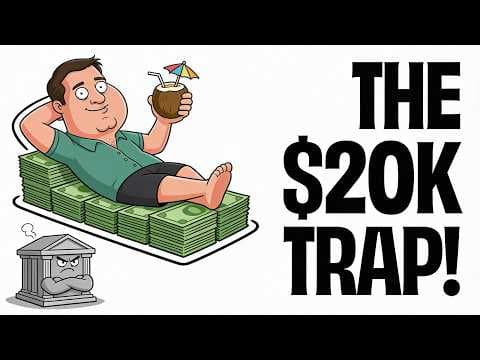
Credit card companies often exploit these psychological tendencies. They profit from individuals who carry balances, and their marketing strategies can encourage unhealthy spending habits. Many people mistakenly view credit cards as free money, leading to a dangerous cycle of debt.
To prevent falling into the credit card poor trap, consider the following actionable steps:
Being credit card poor is a complex issue influenced by societal pressures, psychological factors, and predatory lending practices. By understanding these dynamics and implementing practical strategies, individuals can take control of their finances and avoid the pitfalls of credit card debt. Remember, financial health is not just about how much you earn, but also about how you manage your money.
If you have experiences or tips related to avoiding credit card debt, feel free to share your thoughts in the comments below. Thank you for reading, and I hope you found this information helpful and educational!