Power punching relies on the principles of torque, rotation, and weight shift combined with proper footwork and timing. By practicing specific drills such as rotating with hands on shoulders and pivoting feet, one can develop the mechanics needed for powerful punches. Ground reaction force and coordinated body movement are essential to maximize punch power.
Power punching is not just about throwing punches with your arms; it involves a complex coordination of body mechanics including torque, rotation, and weight shift. Mastering these elements can significantly increase the power behind your punches. This article breaks down the fundamental secrets of power punching and provides practical exercises to help you develop these skills.
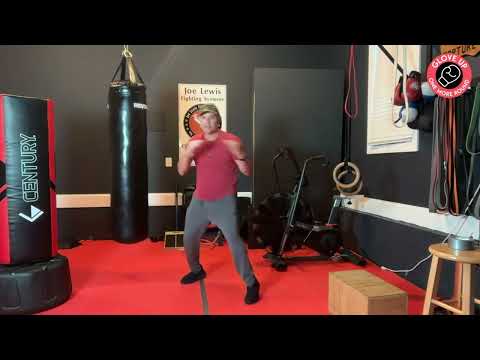
Before diving into punching techniques, it is crucial to establish a solid foundation with your feet. Typically, you will line your feet up on a line to maintain balance and proper alignment. This stance is often referred to as a bladed stance.
Spending time practicing this stance for about eight to ten rounds before starting formal training can prepare your body for the movements involved in power punching.
Instead of the traditional three-point stance with hands up in front of your face, start by crossing your hands over your shoulders. This position helps you focus on the rotational movement of your shoulders and torso, which is key to generating power.
The essence of power punching lies in three main components:
Notice that the rear heel lifts off the ground as you pivot, allowing your body to turn fully and generate maximum force.
The rear heel plays a crucial role in pivoting:
Practice this movement repeatedly to develop fluidity and timing. For example, you can practice sequences like "21" or "212" where you throw punches in a specific order while rotating and pivoting your feet.
Once comfortable with the rotational movement and foot pivots, integrate these with basic punching combinations:
Power punching also involves utilizing ground reaction force:
This coordinated movement ensures that the power generated by your body is effectively transferred into your punch.
To prepare for formal training, set a timer and practice the following drills:
These drills will help you get used to the mechanics of power punching and improve your timing and coordination.
As you progress, stepping and hip rotation will add another layer to your power punching technique. These advanced movements will be covered in more detail during a seven-day training program.
Power punching is a skill that combines proper stance, hand positioning, and the coordinated use of torque, rotation, and weight shift. By practicing the foundational drills and understanding the mechanics behind each movement, you can develop powerful punches that are effective and efficient. Start with the basics, focus on your footwork and rotation, and build up to more advanced techniques for maximum impact.
Get to work on these fundamentals, and you will be ready to advance quickly when formal training begins. See you on day one!