The recent DC plane crash involving a commercial airliner and a Blackhawk helicopter resulted in the tragic loss of 67 lives. This blog post explores the details surrounding the incident, the human errors involved, and the broader implications of the tragedy, emphasizing the importance of remembering the victims and learning from such events.
The recent plane crash in Washington, D.C., has captured the attention of the nation, not only for its tragic outcome but also for the discussions it has sparked regarding aviation safety and accountability. In this post, we will delve into the details of the incident, the human errors that contributed to it, and the lessons we can learn from this tragedy.
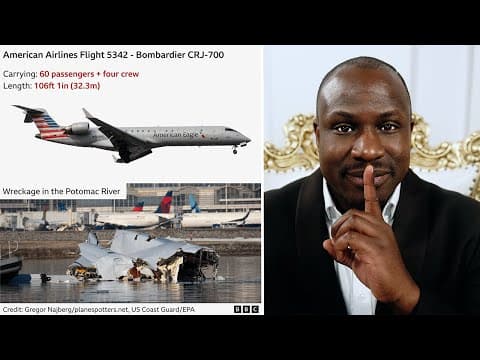
On a fateful evening, a PSA Airlines Bombardier CRJ700 regional jet, operating as American Airlines flight 5342, collided midair with a Sikorsky H60 Blackhawk helicopter while approaching Ronald Reagan National Airport. This catastrophic event resulted in the loss of 67 lives, prompting an outpouring of grief and concern from the public.
Before diving into the details, it is essential to acknowledge the human cost of this tragedy. Each of the 67 victims had families, friends, and lives that were abruptly cut short. As we analyze the events, we must remember to honor their memory and the impact of their loss on their loved ones.
The Federal Aviation Administration (FAA) and the National Transportation Safety Board (NTSB) have launched investigations into the crash. Initial reports indicate that the Blackhawk helicopter was flying at an altitude higher than the recommended 200 feet, which contributed to the collision. The FAA has stated that it will provide more information as the investigation unfolds.
Several critical human errors have been identified as contributing factors to the crash:
Pilot Error: The Blackhawk helicopter was reportedly flying at an altitude of 350 to 400 feet instead of the required 200 feet. This misjudgment placed it in the flight path of the descending commercial airliner.
Air Traffic Control Oversight: An air traffic control supervisor allowed one controller to leave their shift early, resulting in a single controller managing both the plane and helicopter traffic. This is not standard practice and likely contributed to the lack of adequate monitoring of the airspace.
Crew Resource Management: The Blackhawk helicopter was operating with only one crew chief instead of the recommended two. This limited the pilots' ability to clear their surroundings effectively, increasing the risk of collision in a crowded airspace.
In the aftermath of the crash, political figures, including former President Trump, have made statements attributing blame to diversity, equity, and inclusion (DEI) policies within the FAA. Critics have argued that such comments are not only premature but also distract from the real issues at hand, which are human errors and systemic failures in aviation safety protocols.
While discussions about hiring practices and policies are valid, it is crucial to focus on the immediate factors that led to this tragedy. The aviation industry has stringent standards for hiring pilots and air traffic controllers, and it is essential to ensure that these standards are upheld without politicizing the issue.
This tragic event serves as a stark reminder of the importance of vigilance and accountability in aviation safety. Here are some key takeaways:
Prioritize Safety Over Politics: In the wake of tragedies, it is vital to focus on the facts and avoid politicizing the situation. The safety of passengers and crew should always come first.
Enhance Training and Protocols: Continuous training for pilots and air traffic controllers is essential to prevent human errors. Regular reviews of protocols can help identify areas for improvement.
Remember the Victims: As we analyze the causes of such tragedies, we must not lose sight of the human lives affected. Each statistic represents a person with loved ones who are grieving.
The DC plane crash is a heartbreaking reminder of the fragility of life and the importance of safety in aviation. As investigations continue, it is crucial to learn from this tragedy to prevent similar incidents in the future. Let us honor the memory of those lost by advocating for improved safety measures and ensuring that such a tragedy never happens again.