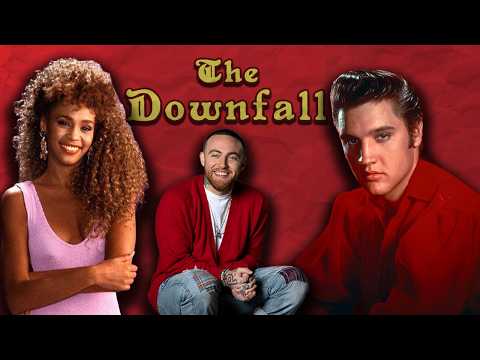
Celebrity overdoses have become a sadly familiar story, often involving talented individuals who struggle with drug use despite their success. This article explores the history of famous celebrity overdoses, focusing on Elvis Presley as a case study, examining the types of drugs involved, their effects, and how prescription medications contributed to their decline.
Celebrity overdoses have become a tragically common story in our culture. The news of a young, talented artist succumbing to an overdose no longer shocks us as it once did. We often see a familiar pattern: a gifted individual captivates the world with their talent and personality, becoming a beloved figure in our lives. Yet, despite achieving fame, fortune, and respect, many of these celebrities struggle with drug use that ultimately leads to their downfall.
We fall in love not only with their art—be it music, acting, or other forms of expression—but also with their raw honesty and relatable quirks. As they rise to stardom, they become part of our identity. However, the pressures of fame and the availability of drugs often lead to rumors of substance abuse, public meltdowns, and visible deterioration.
Sometimes, celebrities attempt to recover, but unfortunately, many do not succeed. The news of their overdose and death becomes a painful reminder of the dark side of fame. Names like Matthew Perry, Michael Jackson, Marilyn Monroe, and Mac Miller are etched in our memories as examples of this tragic pattern.
To understand this phenomenon better, let’s examine one of the earliest and most iconic cases: Elvis Presley.
Elvis Presley was a groundbreaking figure in music and culture, rising to unprecedented levels of fame during a time when there was no blueprint for such stardom. He was more than a celebrity; he was a cultural icon, almost a living god to his fans.
Elvis lived in a unique bubble, often referred to as "Elvis world," where he enjoyed the adoration and attention that came with his status. His charisma and captivating performances were undeniable, and he clearly loved being in the spotlight.
However, Elvis’s downfall was closely tied to his drug use. While the exact cause of his death remains debated—some say a heart attack, others an overdose—the consensus is that drugs played a significant role in his health decline.
Elvis was known to use a variety of prescription medications, often referred to as "legal drugs" because they were prescribed by doctors. These included both stimulants (uppers) and sedatives (downers), as well as sleeping pills.
According to Priscilla Presley, whom Elvis met while he was serving in the military in Germany, he was already using these medications early in his career. This suggests that drug use was a constant presence throughout his rise to fame.
Based on the historical context, the stimulants Elvis likely used included:
These drugs were commonly prescribed at the time for various reasons such as narcolepsy, weight loss, and to increase energy and focus. Military personnel often used them to stay awake during long shifts, though this was likely not Elvis’s primary reason.
The stimulants provided more than just wakefulness; they induced feelings of euphoria and confidence, which could enhance charisma and creativity. For a performer like Elvis, these effects might have helped him get into the right mindset for performances or studio sessions, especially when he was not naturally inclined to do so.
Interestingly, the narrator of the original video mentions personal use of similar medications (like Ritalin) to maintain focus and energy during performances, highlighting the commonality of such drugs in creative professions.
A significant side effect of these stimulants is difficulty sleeping, which often led Elvis to use downers and sleeping pills to counteract the insomnia. This cycle of uppers and downers, combined with the enabling environment of doctors willing to prescribe these medications, contributed to his deteriorating health.
Doctors around Elvis were known to prescribe medications liberally, enabling his drug use rather than curbing it. Despite attempts by those close to him, Elvis was notoriously difficult to convince to stop using drugs.
The story of Elvis Presley illustrates a broader pattern seen in many celebrity overdoses: the combination of immense pressure, the availability of prescription drugs, and the enabling environment around them can lead to tragic outcomes. Understanding the types of drugs involved and their effects helps shed light on why these overdoses happen so frequently among celebrities.
As fans and observers, recognizing these patterns can foster greater empathy and awareness about the challenges faced by those in the spotlight. It also underscores the importance of responsible prescribing practices and support systems to help prevent such tragedies in the future.