Many mountain bikers struggle with jumping due to incorrect mechanics and techniques. This article breaks down the essential aspects of jumping, including proper body mechanics, the importance of hip mobility, and the phases of compression and absorption. By understanding and applying these principles, riders can improve their jumping skills and enjoy a more exhilarating experience on the trails.
Jumping on a mountain bike is one of the most exhilarating skills a rider can master. However, many riders find themselves frustrated, feeling stuck or unable to progress. This article aims to demystify the art of jumping by breaking down the essential mechanics and techniques that can elevate your skills and enhance your riding experience.
Jumping is often cited as the number one skill that riders want to improve. It’s not just about the thrill; it’s about the freedom and fun that comes with soaring through the air. Unfortunately, many riders approach jumping with misconceptions, leading to ineffective techniques and a lack of confidence.
One of the most prevalent pieces of advice is to "stand up to the jump." While this concept has merit, it is often misunderstood. Riders may think they are doing it correctly, but in reality, they are using incorrect mechanics that hinder their performance. The key to successful jumping lies in understanding and correcting these mechanics.
Jumping involves a combination of balance and movement on a dynamic platform. As you approach a jump, your body should rotate back slightly, but many riders mistakenly try to preserve balance through unnecessary movements. This often leads to a last-minute compression of the legs, which can result in a poor jump.
To achieve a successful jump, you must first focus on your mechanics. Here are the critical components:
Jumping consists of two main phases: compression and absorption. Understanding how to time and modulate these phases is vital for achieving the desired jump height and distance.
During the compression phase, riders should preload the bike by applying even pressure as they approach the jump. This involves:
The absorption phase is where riders manage the forces acting on their body as they land. Key points include:
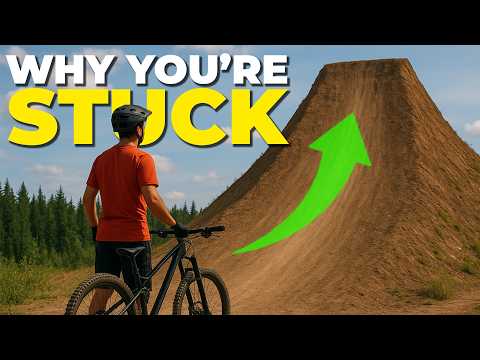
Many riders experience a feeling of being stuck when trying to jump. This can stem from a lack of practice or improper technique. To overcome this:
Jumping on a mountain bike is a skill that can be mastered with the right understanding and practice. By focusing on your mechanics, improving hip mobility, and mastering the phases of compression and absorption, you can unlock the joy of soaring through the air. Remember, the journey to becoming a better jumper takes time and dedication, but the rewards are well worth the effort. Share this knowledge with fellow riders and help spread the joy of jumping!