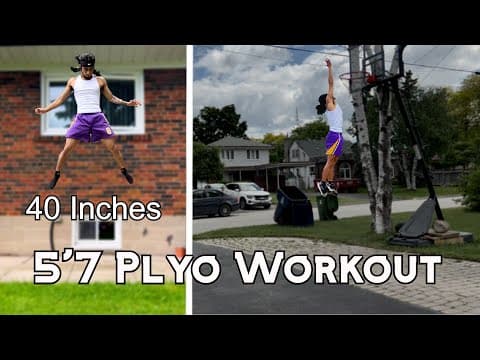
This blog post explores the importance of plyometrics in enhancing vertical jump performance, detailing a comprehensive workout routine that includes various exercises aimed at improving speed, explosiveness, and overall athleticism. Consistency and intensity are emphasized as key factors in achieving significant results.
Jumping higher is a goal for many athletes, and for those of us who are not naturally tall, it can seem like an uphill battle. However, through dedicated training and the right techniques, significant improvements can be made. In this post, I will share how I increased my vertical jump to 40 inches at a height of 5'7" using plyometrics.
Plyometrics is a specialized form of training that focuses on speed and power, particularly for jumping. While strength training is essential, plyometrics can be even more crucial for improving vertical jump performance. This is due to the principle of training specificity, which means that training should closely mimic the desired outcome. For jumping higher, this involves a lot of jumping.
Plyometric exercises allow you to work with less weight while moving faster, prioritizing speed and explosiveness. This is vital for athletes who need to translate their strength into powerful jumps. Here’s a breakdown of my current plyometric workout routine that has evolved over time.
A proper warm-up is essential to enhance blood flow, activate muscles, and improve flexibility, which helps prevent injuries. My warm-up includes dynamic movements that prepare my body for the workout ahead.
This exercise has been a staple in my plyometric workouts. Starting from a quarter squat, the goal is to explode upwards as quickly and high as possible. This movement enhances reactive speed and power.
This exercise involves transitioning from a kneeling position to a vertical jump. The explosive hip thrust from knees to feet is crucial for developing hip extension power, which is vital for jumping higher. If this is too challenging, regular kneeling jumps can be a good alternative.
If I had to choose one exercise to improve my vertical jump, this would be it. Maximal approach jumps simulate the jumping conditions in sports like basketball and volleyball, making them highly effective for athletes.
Sprinting is an excellent plyometric exercise that trains the stretch-shortening cycle. The quick ground contact times help improve reactive speed and approach speed, both of which are crucial for effective jumping.
This exercise consists of two small jumps followed by one large jump. It focuses on landing on the forefoot and jumping off the forefoot, which enhances the springiness of the Achilles tendon and calf muscles.
Incorporating unilateral exercises like single leg step up jumps helps balance strength and explosiveness between legs. This is particularly beneficial for athletes who favor one leg over the other.
While this workout routine is designed to help increase vertical jump, it is essential to understand that results will not come overnight. Consistency is key. Just as you cannot expect to run a marathon after a few weeks of training, improving your vertical jump is a long-term commitment.
I recommend performing this workout at least twice a week, along with one session of strength training. Strength training complements plyometrics and is crucial for overall athletic development.
To truly benefit from these exercises, it is vital to approach each rep with intensity and focus. The effort you put into your workouts directly correlates with your improvement. Remember, this journey requires patience and dedication. Let me know how this workout goes for you in the comments!