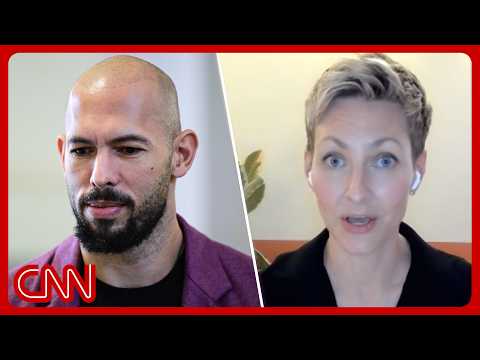
In this blog post, Lauren Lunn-Farrow discusses the intricate connections between powerful figures like Epstein and Diddy, the media's role in shaping narratives, and the systemic issues that prevent justice for victims. She emphasizes the importance of critical thinking and diverse news sources to uncover the truth behind these elite networks.
Good evening, everyone. Today, we delve into some of the most viral subjects surrounding powerful figures like Jeffrey Epstein, Ghislaine Maxwell, Sean "Diddy" Combs, and the intricate web of influence that connects them. Joining us is Lauren Lunn-Farrow, a media professional with extensive research on these topics. Lauren's insights shed light on the weaponization of money, power, and influence, and the chilling reality of how victims are often gaslit and denied justice.
Lauren has been in the media industry since she was 18, and her experiences have shaped her understanding of the Epstein case. She highlights the chilling nature of the story, noting that if it were fictional, it would be deemed unbelievable. Her motivation stems from a desire to advocate for women and children, especially in light of the gaslighting faced by victims. Lauren emphasizes that the media has played a significant role in enabling these injustices, allowing figures like Epstein and Diddy to build protective barriers around themselves.
Lauren explains that the media landscape is complex, where money can effectively silence stories. She cites the ongoing court case involving Jay-Z and Rimer as an example of how powerful individuals can manipulate narratives. The mainstream press often fails to cover critical stories, leading the public to believe that certain events never occurred. This manipulation is further exacerbated by the presence of high-profile lawyers who can control the narrative through legal threats.
The discussion shifts to the influence of legal power in shaping public perception. Lauren notes that individuals with access to top legal minds can effectively manage their public image, often at the expense of truth. She references the case involving Rimer, where the mainstream media painted him as fame-hungry, despite evidence suggesting otherwise. This highlights the need for consumers of news to seek information from diverse sources to uncover the truth.
Lauren draws parallels between Epstein and Diddy, suggesting that both have constructed networks that protect them from accountability. She emphasizes the importance of understanding the systemic issues that allow such figures to operate without consequence. The conversation touches on the ongoing legal battles faced by Diddy, particularly in light of allegations made by Cassie, which have opened the floodgates for other victims to come forward.
The discussion also explores the broader implications of elite networks, including the connections between powerful individuals and the media. Lauren references the infamous "black book" associated with Epstein, which contains names of influential figures across various industries. She argues that this network is not organic but rather a calculated effort to maintain control and protect their interests.
Lauren recounts the story of Vicky Ward, a journalist who attempted to expose Epstein but faced significant pushback from her editor and the media establishment. This incident exemplifies how powerful individuals can suppress stories that threaten their interests. Lauren emphasizes that the media's failure to hold these figures accountable is a systemic issue that needs to be addressed.
As the conversation progresses, Lauren reflects on the current state of justice for victims of powerful individuals. She expresses skepticism about whether figures like Ghislaine Maxwell will serve their full sentences or face true accountability. The discussion also touches on the potential for pardons and the manipulation of narratives to protect the elite.
Lauren urges the audience to remain critical thinkers and to question the narratives presented by mainstream media. She emphasizes the need for individuals to seek out alternative sources of information and to be aware of the systemic issues that allow powerful figures to evade justice.
In conclusion, Lauren Lunn-Farrow's insights provide a sobering look at the intersection of power, media, and justice. The stories of Epstein, Diddy, and others serve as a reminder of the importance of advocacy for victims and the need for transparency in media reporting. As consumers of news, we must remain vigilant and seek out the truth, even when it is obscured by powerful interests. Lauren encourages everyone to support independent voices and to continue questioning the narratives that shape our understanding of these complex issues.