
This blog post explores the concept of Tartaria, distinguishing between the real historical empire and the modern conspiracy theories surrounding it. It delves into the historical significance of Tartaria, the manipulation of history by various powers, and the importance of understanding our past to avoid misinformation.
Welcome to a deep dive into the intriguing world of Tartaria, a topic that has sparked much debate and speculation in recent years. This post aims to clarify the distinction between the real historical Tartaria and the modern conspiracy theories that have emerged around it. By examining historical evidence and the manipulation of history, we can better understand the significance of Tartaria in our collective past.
Tartaria refers to a vast landmass that historically encompassed parts of modern-day Russia, China, India, and Mongolia. The term has been used to describe a significant empire that existed long before the current geopolitical boundaries were established. However, in recent years, a distorted version of Tartaria has emerged, often associated with conspiracy theories that lack substantial evidence.
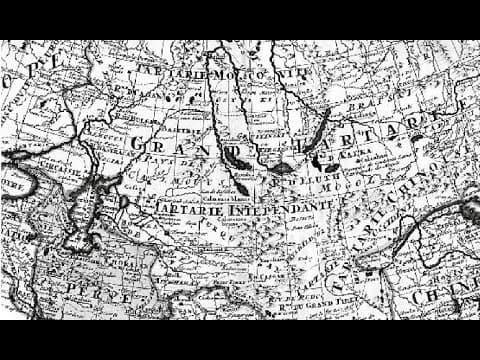
The real history of Tartaria has often been obscured by political agendas and misinformation. Many historians, such as William Commons Bowmont and Anatoli Fenco, have worked to uncover the truth behind this lost civilization. Fenco, in particular, has discovered old maps that reveal a different narrative about the region's history, challenging the mainstream understanding.
Throughout history, the names of land masses and civilizations have been changed for various reasons, often to serve the interests of those in power. For instance, modern-day Israel has undergone significant name changes that do not reflect its ancient history. Similarly, the names of regions within Tartaria have been altered, leading to confusion about their true historical significance.
The rise of the modern Tartaria conspiracy theory can be traced back to the influence of British intelligence services, which sought to downplay the existence of any civilization that could rival their own. This imperialist mindset has led to the erasure of many historical facts, creating a narrative that favors Western civilization while dismissing the achievements of others.
The modern interpretation of Tartaria often includes fantastical elements, such as advanced technology and hidden histories, which are not supported by credible evidence. Wikipedia describes the Tartarian Empire as a pseudo-historical conspiracy theory, which reflects a broader trend of dismissing legitimate historical claims in favor of sensational narratives.
Proponents of the Tartaria conspiracy theory often claim that various historical buildings, such as the Great Pyramids and the White House, were constructed by Tartarians. This assertion ignores the well-documented architectural history of these structures and conflates unrelated historical timelines. The architectural styles attributed to Tartaria are often rooted in neoclassical traditions that have been prevalent across various cultures.
Despite the misinformation, there is substantial evidence supporting the existence of a significant Tartarian Empire. Historical accounts and maps from the 1700s indicate that Tartaria was a vast region with a rich cultural heritage. The empire was not merely a figment of imagination but a reality that has been systematically written out of history.
The Mongol Empire, often associated with Genghis Khan, played a crucial role in the history of Tartaria. The term "horde" originally referred to the military forces of this empire, which were instrumental in shaping the region's history. The integration of various tribes and cultures within the empire contributed to its complexity and richness.
Understanding the true history of Tartaria is essential for recognizing the broader patterns of historical manipulation that have occurred throughout time. The erasure of certain civilizations serves the interests of those in power, perpetuating a narrative that favors their dominance.
As we continue to explore the past, it is crucial to approach history with an open mind and a willingness to challenge established narratives. The work of historians like Fenco highlights the importance of rediscovering lost histories and understanding the interconnectedness of civilizations.
In summary, the story of Tartaria is one of both historical significance and modern deception. By distinguishing between the real empire and the conspiracy theories that have emerged, we can gain a clearer understanding of our past. It is vital to engage with history critically, recognizing the efforts to manipulate it while striving for a more accurate representation of our shared heritage. As we delve deeper into the complexities of history, we must remain vigilant against misinformation and committed to uncovering the truth.



















