A US F-15E Strike Eagle was shot down over Iran, marking a significant event in the ongoing conflict. One pilot has been rescued, while the second remains missing. Despite media claims of a catastrophic defeat, military experts argue this does not negate US air superiority. Concurrently, peace talks have broken down, and heavy airstrikes on Tehran have been reported, highlighting escalating tensions.
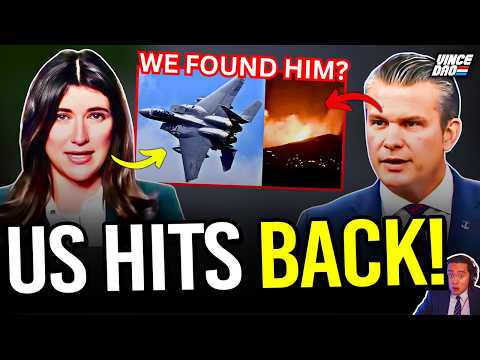
In a significant development in the ongoing conflict between the United States and Iran, a US F-15E Strike Eagle fighter jet was shot down over Iranian territory. This marks the first time since the conflict began that Iran has successfully downed a US fighter jet. A search and rescue operation was immediately launched, resulting in the successful extraction of one pilot. However, the second pilot remains missing, with ongoing efforts to locate and rescue him.
The incident has been heavily politicized and weaponized by various groups. Mainstream media outlets and pro-Iranian social media propagandists have portrayed this event as a catastrophic defeat for the US, claiming it disproves American air superiority. However, military analysts caution against such interpretations, emphasizing that losing one aircraft in over 15,000 sorties flown during the conflict is not indicative of losing air superiority or the war.
It is important to recognize the tragedy of losing any service member in combat. The US has lost several personnel during this conflict, and their sacrifice is honored. Nonetheless, the loss of a single fighter jet, especially an F-15 model that has been in service for over 50 years, should be viewed within the broader context of military operations.
The F-15E Strike Eagle is a two-person crew fighter jet capable of carrying heavy loads and performing air-to-ground combat missions. The ejector seat from the downed aircraft was confirmed through images circulated on social media.
The rescue operation took place in the remote, mountainous, and sparsely populated Kuzan Province, roughly the size of Delaware. Despite the challenging terrain and enemy fire encountered during the rescue, US forces successfully extracted one crew member who is now receiving medical treatment. Two US helicopters involved in the operation sustained damage but managed to return safely. Additionally, an A-10 Warthog attack plane, which also took fire, crash-landed in friendly territory without casualties.
Critics argue that the downing of the F-15 proves the US lacks air superiority over Iran. However, experts highlight that air superiority does not mean zero losses or complete safety in the skies. Historical precedents, such as the Gulf War and NATO bombing campaigns, show that even dominant air forces lose aircraft in combat.
The fact that the US could conduct a search and rescue operation deep within Iranian airspace using slow, low-flying helicopters and attack planes demonstrates continued aerial dominance. The loss of one aircraft in a month-long conflict involving thousands of sorties is not unusual or indicative of defeat.
The incident coincides with reports that peace negotiations between the US and Iran have broken down. Iranian President Ebrahim Raisi has expressed willingness to negotiate an end to the conflict, contingent on guarantees to prevent renewed aggression. However, hardline factions within Iran have strongly opposed these overtures, leading to internal political strife and the suspension of talks.
US President Donald Trump has made escalatory statements, including threats to seize control of the Strait of Hormuz and Iran's oil resources. Following the downing of the F-15, heavy airstrikes reportedly targeted Tehran, resulting in significant power outages in parts of the city.
The conflict remains unpredictable, with military operations and diplomatic efforts intertwined. The US has significantly degraded Iran's conventional military capabilities, but internal divisions within Iran complicate the prospects for a negotiated settlement.
The situation underscores the complexities of modern warfare, where tactical losses do not necessarily translate into strategic defeat. The US continues to maintain air superiority and operational capability in the region, as evidenced by ongoing missions and rescue operations.
As the search for the missing pilot continues, the focus remains on the safety of American service members and the broader implications of the conflict for regional stability and international relations.
The downing of the US F-15 over Iran is a serious event with both military and political ramifications. While it provides a propaganda opportunity for Iran and its supporters, it does not fundamentally alter the balance of power or the course of the conflict. The breakdown of peace talks and subsequent airstrikes on Tehran highlight escalating tensions that require careful monitoring.
The sacrifices of US service members are deeply respected, and efforts to secure their safe return are ongoing. The situation remains fluid, and further updates are expected as more information becomes available.
Let us keep the missing pilot and all service members in our thoughts during this challenging time.
Please share your thoughts and stay informed as this story develops. Your engagement helps support comprehensive coverage of these critical events.