US State Department Issues Highest-Level Travel Warning for US-Mexico Border Areas
The US State Department has issued a Level 4 'Do Not Travel' advisory for several areas along the US-Mexico border due to increased risks from kidnappings, gun battles, and the discovery of IEDs. This warning follows President Trump's declaration of a national emergency regarding cartel activities, which are now classified as terrorism. The situation is escalating, with military presence increasing at the border.
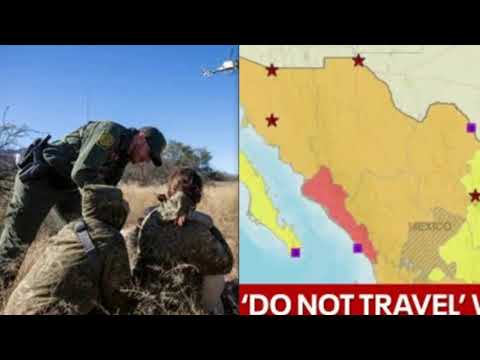
The US State Department has recently issued a Level 4 travel advisory, the highest level possible, for certain regions in Mexico that are adjacent to the US border. This warning comes in response to escalating violence, including kidnappings, gun battles, and the discovery of improvised explosive devices (IEDs) in multiple locations.
Background on the Advisory
The advisory specifically highlights areas such as Talopa State, Rio Bravo, Valle Hermoso, and San Fernando, where IEDs have been found. These regions are in close proximity to the Rio Grande Valley in Texas, raising significant concerns for travelers and residents alike.
President Trump has declared a national emergency regarding the situation, labeling drug cartels as terrorist organizations. This classification indicates a shift in how the US government intends to address cartel-related violence, suggesting that they will be treated similarly to other terrorist threats.
Escalating Violence and Military Response
The situation has intensified recently, with reports of a vehicle being blown up by an IED. This incident has prompted the State Department to issue warnings through US embassies and consulates in Mexico. The advisory reflects the serious nature of the threats posed by organized crime in the region.
The advisory outlines a range of violent activities occurring in these areas, including:
- Murders
- Armed robberies
- Carjackings
- Kidnappings
- Forced disappearances
- Extortion
- Sexual assault
In addition to the specific areas mentioned, other regions such as Colima, Guerrero, Sinaloa, Baja California, Chiapas, and Jalisco are also noted for their high levels of crime and potential for violence.
Implications for Travelers
Travelers are strongly advised to reconsider any plans to visit these areas due to the heightened risks. The US government is taking significant measures to address the situation, including deploying military forces to the border. This military presence is aimed at combating the cartel activities that have been labeled as terrorism.
As the situation continues to evolve, it is expected that the intensity of military operations and law enforcement actions will increase. The government is committed to taking whatever steps are necessary to restore safety and security in these regions.
Conclusion
The travel advisory serves as a critical reminder of the dangers present in certain areas along the US-Mexico border. With the ongoing violence and the government's response, it is essential for individuals to stay informed and prioritize their safety. The situation is fluid, and further developments are anticipated as authorities work to address the threats posed by organized crime.