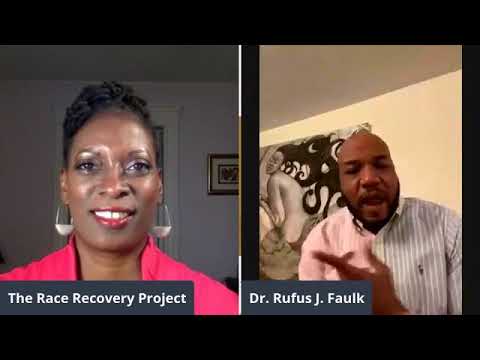
In this discussion, Dr. Cenia Bembe and a community leader explore the importance of investing in the Black community, the challenges of identity, and the need for self-definition amidst systemic oppression. They emphasize the significance of understanding history, supporting grassroots movements, and fostering a sense of belonging to empower future generations.
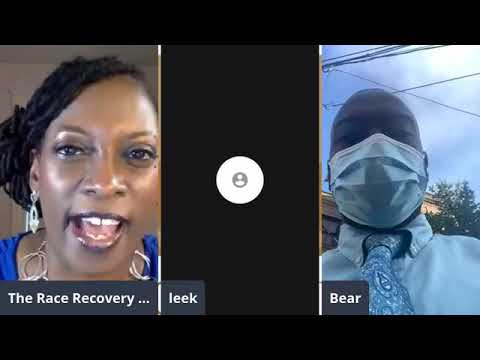
Good evening, and welcome to another session of the Race Recovery Project's "In the Black" series. Tonight, we delve into a crucial topic: how to navigate the complexities of being Black while investing in our communities. In a world filled with enticing alternatives, we will explore the importance of commitment to our identity and the sacrifices necessary to uplift our community.
For those new to us, the Race Recovery Project is a two-year-old initiative founded by a group of Black women who recognized the challenges faced by our community. Our mission is to create a space where we can celebrate our triumphs, acknowledge our hurdles, and combat internalized racism. We aim to define our narrative and claim our identity with intention and clarity.
Tonight, we are joined by a special guest, a community leader who has chosen to return to his roots after navigating the corporate landscape. His journey exemplifies the commitment to invest in the Black community, and we will discuss how he made that choice.
Our guest, who grew up in Roxbury, Boston, shares his background and the importance of understanding one's identity. He emphasizes that as Black people, we must create our own narrative and recognize that our family history is intertwined with American history. This understanding is crucial for fostering a sense of belonging and purpose.
The conversation shifts to the challenges faced by Black youth in navigating educational systems. Our guest reflects on his own experiences with testing and how systemic inequalities can create disparities in opportunities. He highlights the importance of recognizing that many talented individuals may not have access to the same resources, leading to a cycle of disadvantage.
Growing up in Roxbury, our guest acknowledges the allure of street culture and gang involvement. He explains that the streets often provide a sense of belonging and camaraderie, especially for young people seeking connection. However, he also emphasizes the need to redirect that energy towards positive activities and community engagement.
Our guest shares his personal journey of disengaging from street life and redirecting his focus towards education and community service. He credits his ability to navigate this transition to the support of his family and the opportunities he was afforded. He stresses the importance of recognizing that not everyone has the same support system, which can impact their choices.
Education played a pivotal role in our guest's life. He discusses how attending college opened his eyes to new possibilities and allowed him to return to his community with a sense of purpose. He emphasizes the importance of being a tangible example for young people, showing them that success is attainable.
As our guest reflects on his journey, he addresses the concept of survivor's guilt. He explains how the loss of friends and the pressure to give back can weigh heavily on individuals. He encourages others to recognize that while the desire to help is noble, it is essential to prioritize self-care and sustainability in community work.
The conversation shifts to the need for a collective movement rather than relying on individual leaders. Our guest emphasizes that true change comes from grassroots efforts and community involvement. He advocates for empowering individuals on the front lines and fostering a sense of ownership within the community.
Our discussion also touches on the importance of understanding the political landscape. Our guest highlights the need for Black individuals to educate themselves about the systems that govern their lives. He stresses that while voting is not the only solution, it is a crucial part of advocating for change and holding leaders accountable.
As the conversation progresses, our guest emphasizes the need for a unified understanding of Black identity. He argues that the fragmentation of identity among Black individuals from different backgrounds hinders collective power. By recognizing our shared history and experiences, we can build a stronger movement for change.
In closing, our guest reflects on the importance of embracing our identity and investing in our communities. He encourages everyone to take ownership of their narrative and work towards a future that honors our ancestors and uplifts future generations. The Race Recovery Project is committed to fostering these conversations and empowering individuals to reclaim their identities and invest in their communities.
Thank you for joining us tonight. We hope this discussion inspires you to reflect on your own identity and the ways you can contribute to the wealth of our community. Together, we can create a brighter future for all.