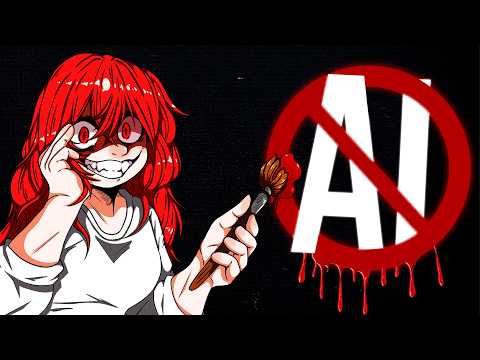
This article explores shocking stories of internet artists exposed for various controversies, including art theft, faked death, selling AI-generated art at conventions, and issuing bounties for critics. These cases reveal the darker side of online art communities and the complex issues surrounding authenticity, mental health, and online harassment.
Imagine an artist sharing their work online, only to have hidden secrets unravel in a dramatic and destructive way. This article delves into several stories of internet artists who were exposed for a range of controversies—from art theft and faked death to selling AI-generated art and issuing bounties on critics.
Our first story involves two internet artists, known here as Embry and Wing, who first connected in a Homestuck fan Discord server in 2023. Wing, about 17 years old at the time, admired Embry's art but soon began repeatedly stealing Embry's artwork, passing it off as their own. Despite confrontation and requests to stop, Wing continued copying, tracing, and cropping Embry's art over a year and a half.
Embry publicly called out Wing on social media, drawing attention to the situation. Then, in a shocking twist, a post appeared claiming Wing had died from a heart attack in January 2025. This news devastated the community and Embry, who may have felt partially responsible.
However, the death was a hoax. Wing later revealed in a Google document that they faked their death to escape the attention and drama. Wing claimed to struggle with mental health issues, which may explain their extreme actions, but faking death caused significant emotional harm, especially to Embry.
This case highlights the serious consequences of art theft and the lengths some may go to avoid accountability. It also underscores the importance of compassion when mental health is involved, while still holding individuals responsible for their actions.
The next incident took place at Dragon Con, a major pop culture convention in Atlanta, Georgia, in late 2025. Dragon Con features an artist alley where vendors showcase their artwork. Competition for spots is fierce, and strict rules prohibit selling AI-generated art.
An artist selling under the name Oriana Gerz was exposed for allegedly selling AI-generated artwork, violating the convention's rules. The situation escalated when it was revealed that the booth was actually run by a man claiming to be Oriana's boyfriend. Other vendors noticed inconsistencies such as six-fingered hands and art styles that did not match the submitted portfolio.
The theory is that Oriana submitted her own original art to get approval for the booth, but the man sold AI-generated art instead. Screenshots suggest Oriana may have been aware or complicit, as messages from her account were dismissive and hostile toward critics.
After being confronted, the man was escorted out by police, and Oriana's Instagram was set to private. This incident sparked widespread criticism of AI art in the community and raised questions about ethics and authenticity in art conventions.
Our third story involves a popular webcomic artist who faced backlash for posting NSFW artwork of underage characters on a $15 Patreon tier where patrons could request adult content. The characters depicted were around 15 years old in the comic, but the artist claimed all NSFW content was "aged up" to 18.
Critics accused the artist of condoning pedophilia, leading to heated debates online. In response, the artist controversially offered a $500 bounty for information such as emails or IP addresses of people she claimed were defaming her. She named a fan, Santana, accusing them of coordinating attacks.
This bounty offer was widely criticized as doxing, though some argued it was intended only to block harassers from her website. The situation became even more bizarre when someone submitted a fake IP address just to claim the reward, using the money to buy merchandise.
The controversy sparked extensive discussion about legality, ethics, and online harassment. Over time, the artist denied wrongdoing and revealed the incident deeply affected her mental health. The comic continues, and the dust has largely settled, but the story remains a cautionary tale about the complexities of creator-fan relationships and online disputes.
These stories reveal the darker and more complicated side of the internet art world. From theft and deception to mental health struggles and ethical controversies, the online art community faces challenges that go beyond creativity.
Art Theft and Emotional Impact: Wing's repeated stealing of Embry's art and the faked death hoax caused real emotional harm, showing how online actions can deeply affect individuals.
AI Art and Authenticity: The Dragon Con incident highlights the ongoing debate about AI-generated art, its place in creative spaces, and the importance of transparency.
Creator Accountability and Harassment: The webcomic artist's bounty on critics raises questions about how creators handle criticism and the fine line between protecting oneself and violating privacy.
While these cases are extreme, they remind us of the need for empathy, honesty, and respect in online communities. Mental health issues may underlie some behaviors, but accountability remains crucial.
The internet art scene is vibrant and diverse, but it is not without its controversies. These tales of exposure serve as cautionary examples of what can happen when trust is broken, rules are bent, or emotions run high.
As consumers and creators, fostering a supportive and ethical environment benefits everyone. Understanding the complexities behind these stories encourages us to approach online art communities with both critical awareness and compassion.
What do you think about these incidents? How should the online art world address such challenges? Share your thoughts and stay tuned for more insights into internet culture and creativity.