This blog post discusses the recent flooding disaster in Texas, highlighting the human response versus religious interpretations of tragedy. It critiques the role of prayer and divine intervention in the face of real-world suffering, emphasizing the importance of human action and community support over religious explanations.
The recent flooding disaster in central Texas has left many grappling with the loss and devastation. As the community mourns, questions arise about the role of faith and divine intervention during such tragedies. This post aims to explore the implications of religious beliefs in the context of disaster response, focusing on the Texas floods and the human actions that made a difference.
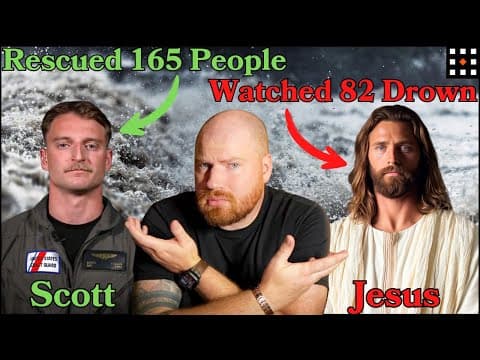
Over the weekend, central Texas experienced catastrophic flooding, particularly around Kerrville and Hunt. In just a few hours, 12 inches of rain fell, causing the Guadalupe River to rise over 26 feet. The aftermath has been devastating, with reports indicating at least 82 deaths across six counties, including 27 fatalities at Camp Mystic, a Christian camp for young girls.
While many families turned to prayer during this crisis, it was the actions of individuals that truly made a difference. One notable hero was Petty Officer Scott Ruskin, a Coast Guard rescue swimmer who saved 165 campers during his first mission. His bravery and training exemplify the real-world help that emerged amidst the chaos, contrasting sharply with the silence attributed to divine intervention.
As families prayed for safety, they were met with silence. This raises critical questions about the efficacy of prayer and the nature of divine intervention. Many argue that relying on prayer can lead to passivity, detracting from the urgent need for human action in times of crisis.
Religious narratives often interpret disasters through a lens of divine will, leading to selective interpretations. For instance, when disasters strike areas perceived as sinful, such as Los Angeles, some Christians may interpret these events as divine punishment. However, the same logic does not apply when tragedy befalls a community of believers, as seen in the Texas floods.
The Bible's convoluted nature allows for various interpretations of disasters. Some may view them as tests of faith, while others may see them as divine wrath. This selective interpretation can lead to a lack of accountability for systemic issues that contribute to such tragedies.
The response to tragedy often reflects an in-group bias, where empathy is selectively extended based on the victims' identities. This bias can create an us-versus-them mentality, undermining the universal need for compassion and support.
Many religious communities emphasize prayer over practical aid. While some individuals may act, the reliance on divine intervention can delay necessary action. In a crisis, the choice between prayer and immediate rescue efforts should be clear—human action is paramount.
The belief that God intervenes selectively raises moral questions. If some prayers are answered while others are not, it implies a troubling theology of favoritism. This inconsistency can lead to victim-blaming, where the unresponsive God is held accountable for the suffering of those who did not survive.
The Texas floods serve as a poignant reminder of the importance of human action in the face of disaster. While faith can provide comfort, it should not replace the urgent need for practical assistance and community support. Organizations like Direct Relief exemplify the kind of help that transcends religious boundaries, focusing on providing aid without conditions.
As we reflect on this tragedy, let us prioritize compassion and action over prayer, recognizing that it is our responsibility to care for one another in times of need. Together, we can make a difference, regardless of our beliefs.