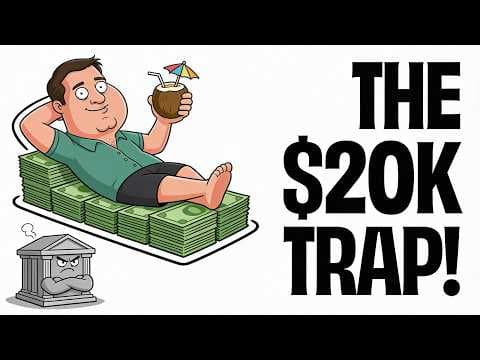
Debt consolidation often appears to simplify debt management but typically leads to higher costs and risks. Instead, a more effective strategy is to use the debt snowball method, which focuses on paying off debts from smallest to largest to build momentum and motivation.
Debt consolidation is often marketed as a solution to fix your debt problems, but is it really a magic fix or just a clever sales tactic? In this article, we will explore the pitfalls of debt consolidation and present a more effective strategy for managing and eliminating debt.
Debt consolidation involves rolling multiple debts into one larger loan. This means instead of juggling several due dates, you have just one bill to manage. While this might sound appealing, the reality is that you are still in debt and often paying more in the long run.
Most debt consolidation loans come with added fees, longer repayment periods, and higher interest rates. Essentially, you are just rearranging your financial obligations without actually reducing your debt. This can be likened to rearranging chairs on the Titanic; the ship is still sinking.
Many advertisements promote debt consolidation as a quick fix, but it is crucial to ask the right questions before considering this option. Here are some common questions and the realities behind them:
While your credit score can affect the interest rates and terms of a debt consolidation loan, it is not the key to getting out of debt. Relying on credit scores can keep you trapped in a cycle of debt.
This question often leads to the same mindset that got you into debt in the first place. Instead of focusing on monthly payments, aim to eliminate your debt entirely.
This is a critical question. Debt consolidation often comes with fees and higher interest rates, which can lead to paying more over time. Always calculate the total cost of consolidation compared to your current debt situation.
Debt consolidation can extend your repayment term, resulting in lower monthly payments but potentially higher overall interest costs. It is essential to focus on paying off debt as quickly as possible.
There are several types of debt consolidation:
None of these options are ideal and can lead to further financial strain.
Instead of consolidating your debt, consider the debt snowball method. This strategy involves listing your debts from smallest to largest and focusing on paying off the smallest debt first while making minimum payments on the others. Once the smallest debt is paid off, apply that payment amount to the next smallest debt. This method builds momentum and motivation, making it easier to tackle larger debts.
The only situation where debt consolidation might be acceptable is with federal student loans. However, even then, it may not provide significant benefits. Consolidating student loans can lead to a weighted average interest rate, which may not lower your payments. It is essential to ensure that the consolidation does not extend your repayment period or diminish your motivation to pay off your debt.
While debt consolidation may seem like a convenient solution, it often leads to more financial problems. Instead, focus on changing your habits and using effective strategies like the debt snowball method to eliminate your debt for good. Remember, true financial freedom comes from understanding your debt and taking proactive steps to manage it effectively.