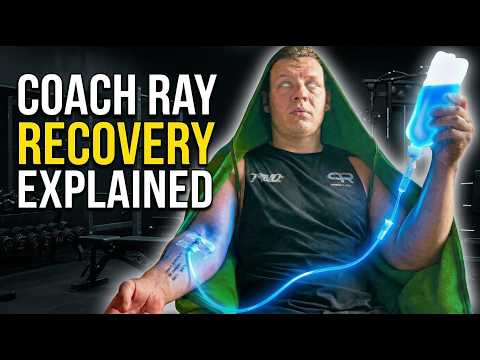
Armwrestling is a demanding sport that often leads to injuries and chronic pain due to intense training and competition. This article explores the challenges armwrestlers face with recovery, the importance of focused training, injury management, and effective recovery techniques. It also highlights the role of coaching, social media, and mental resilience in an armwrestler's journey.
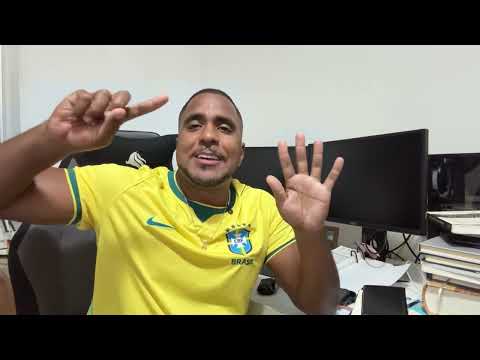
Armwrestling is a sport that demands immense physical strength, technique, and mental focus. However, many armwrestlers face significant challenges when it comes to recovery from injuries and maintaining peak performance. This article delves into the experiences of a seasoned armwrestler and coach, exploring how focused training, injury management, and recovery strategies can make a difference.
For many years, armwrestlers train hard but may not see the progress they desire. One key insight is that focus is crucial. Training without proper focus and recovery can lead to stagnation and injury. The COVID-19 pandemic, despite its challenges, provided an opportunity for some athletes to rest, heal injuries, and come back stronger.
"I was training really hard but not progressing because I think it was too much. Everything in life is focus. If you can put a focus on something, you're going to be good at it."
Training with strong partners can be both motivating and challenging. Sometimes, training alone and focusing on healing injuries can lead to better performance.
Armwrestling puts a lot of strain on muscles, tendons, and joints, especially the shoulders, elbows, and wrists. Common issues include shoulder pain, tendon inflammation, and nerve problems such as ulnar nerve subluxation.
Injuries often arise from repetitive strain and improper movement patterns. For example, bench pressing with a wide grip can limit shoulder blade movement, causing tightness and pain. Using tools like a foam roller behind the back during exercises can improve range of motion and reduce pain.
Many armwrestlers experience pain in tendons, but the root cause is often muscle tension. Regularly massaging the arms, especially muscles like the brachialis and brachioradialis, can relieve tension and reduce pain.
"Most people say their inner elbow hurts and blame tendons, but what's pulling the tendon is the muscle. You release the muscle, and everything is fine."
Using simple tools like tennis balls for self-massage can be effective. This approach often negates the need for surgeries or expensive treatments.
One of the biggest mistakes armwrestlers make is neglecting recovery. Overtraining without adequate rest leads to chronic pain and injuries that worsen over time.
"What armwrestlers are missing is they don't do the recovery part and then expect to be fine."
Incorporating recovery techniques such as massage, rest days, and listening to the body's signals is essential. Even elite athletes need to adjust their training intensity based on how they feel.
A balanced training week might include three focused training days with variations in exercises and intensity. Pulling sessions with training partners are crucial for skill and strength development.
Before competitions, training intensity is dialed down rather than stopped completely to maintain conditioning without overexertion.
After competitions, athletes should ease back into training gradually, paying attention to any lingering soreness or injuries.
Coaching others is a valuable learning experience. Teaching techniques to new athletes helps coaches refine their understanding and communication.
"Teaching is the best way to learn because you have to explain it clearly."
Adapting coaching styles to individual personalities and learning types is important. Some athletes respond better to encouragement, while others need tough love to push their limits.
Social media has become a powerful tool for growing the sport and building a community. Authenticity and sharing the journey, including failures and emotions, resonate more than just posting repetitive exercise videos.
"Having 100 people who truly support you is better than 10,000 followers who don't care."
Content that showcases real matches, training insights, and personal stories helps engage fans and grow the sport organically.
Athletes cherish moments like winning tough matches or achieving podium finishes at major championships. These milestones fuel motivation and set the stage for future ambitions.
Looking ahead, many armwrestlers aim to continue competing at high levels, improve weaknesses, and contribute to the sport's growth through coaching and community building.
Recovery is a critical yet often overlooked aspect of armwrestling. Focused training, injury management through understanding muscle tension, regular self-massage, and smart recovery strategies can help armwrestlers avoid chronic pain and improve performance.
Coaching, authentic social media engagement, and mental resilience also play vital roles in an armwrestler's journey. By embracing these elements, athletes can sustain their passion and success in this demanding sport.
Stay strong and love armwrestling!