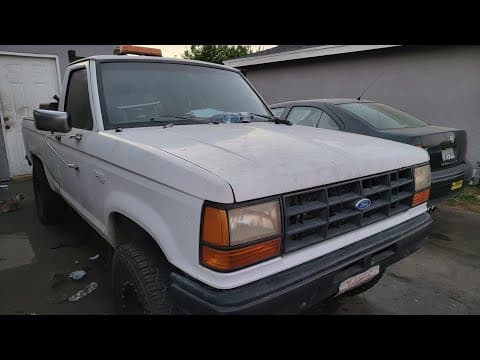
This blog post details the teardown and inspection of a 1992 Ford Ranger's 3.0L V6 engine, highlighting the findings of wear and damage after nearly 400,000 miles, and discusses the next steps for rebuilding the engine.
In this blog post, we will explore the detailed process of tearing down and inspecting the engine of a 1992 Ford Ranger, specifically its 3.0L V6 engine. With nearly 400,000 miles on the odometer, this vehicle has seen significant wear and tear, prompting a thorough examination of its internal components.
The 1992 Ford Ranger in question has been a reliable companion for many years, but recently, it began to exhibit signs of distress, including a noticeable knocking sound. After more than a year of inactivity, the decision was made to pull the engine apart and assess its condition. This was the first time the engine had been removed from the vehicle, making the process both exciting and daunting.
Upon removing the engine, the first step was to inspect the main bearings. The initial findings showed some scoring and material wear, but nothing too alarming. However, the condition of the rod bearings revealed a different story.
The rod bearings displayed significant wear, particularly on cylinder number six. The piston in this cylinder had sustained damage, which was evident from the clean area on the piston head. In contrast, cylinder number three showed heavy carbon buildup, indicating that the piston had been working harder than it should have.
The damage to the piston in cylinder number six was attributed to the rod bearing wearing down to the point where the piston made contact with the cylinder head during its upstroke. This contact resulted in a clean area on the piston, while the cylinder head showed signs of carbon being knocked off, but fortunately, the valves remained undamaged.
The cylinder heads were also inspected, revealing a significant amount of carbon buildup. Despite the wear, the heads were salvageable due to the depth of the valve seats, which prevented any major damage from occurring. The inspection showed that while there was some vertical scoring from piston movement, the overall condition was not catastrophic.
Another notable issue was found in cylinder number two, where a piston ring had snapped. This was a minor issue considering the engine's age and the heavy use it had endured over the years. The crankshaft, on the other hand, showed no signs of scoring or pitting, indicating that it had held up well despite the challenges faced by the engine.
With the inspection complete, the next steps involve cleaning the components and preparing for a rebuild. The plan is to send the cylinder heads to a machine shop for further evaluation and machining as necessary. The owner has already gathered replacement parts and is eager to get the Ranger back on the road.
The teardown and inspection of the 1992 Ford Ranger's engine revealed a mix of wear and minor damage, typical for a vehicle with such high mileage. While the findings were concerning, they were not unexpected given the truck's history of heavy use. The owner remains optimistic about the rebuild process and looks forward to sharing updates on the project.
As the journey continues, there are plans to document the rebuilding process and possibly share insights from working in an auto shop. This experience not only highlights the resilience of older vehicles but also the importance of regular maintenance and timely inspections to prolong their lifespan.