This article explores the myths surrounding oil change intervals, particularly the common belief that oil should be changed every 5,000 miles. It explains the scientific basis for the 10,000-mile recommendation, the role of engineers in determining oil longevity, and addresses common misconceptions about oil filters and pre-filling practices.
Changing engine oil is a fundamental aspect of vehicle maintenance, yet many car owners cling to outdated practices and beliefs. One of the most prevalent myths is that oil should be changed every 5,000 miles, despite modern vehicles being designed to go up to 10,000 miles between changes. This article aims to clarify the science behind oil change intervals and dispel common misconceptions.
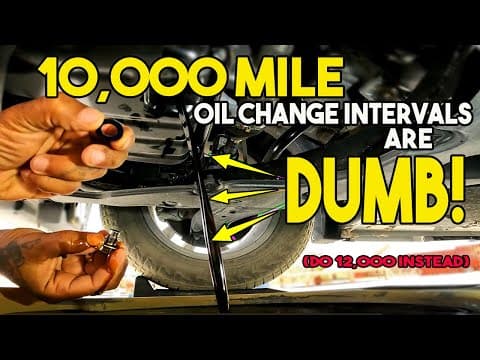
For decades, automotive engineers and scientists have established that modern synthetic oils can last up to 10,000 miles before needing a change. This recommendation is based on extensive testing and research conducted by professionals in the field. Yet, many people continue to adhere to the 5,000-mile rule, often out of fear and misunderstanding.
Automotive and chemical engineers dedicate their careers to studying engine oils. They conduct rigorous testing to determine the oxidation point of oils, which is the critical threshold at which oil loses its effectiveness. When oil oxidizes, it can lead to sludge and varnish buildup, which can damage the engine. The testing process involves subjecting oils to extreme conditions and measuring their performance over time.
Oxidation is the primary factor that determines when oil should be changed. Engineers have established that oil remains effective until it reaches its oxidation point. This scientific approach is not a guess; it is based on empirical data collected over decades. The 10,000-mile interval includes a safety margin, meaning that the actual limit is likely higher than this figure.
The practice of changing oil every 5,000 miles is a relatively recent development. In fact, many vehicles from the 1980s were designed to operate on regular oil for 7,500 miles without issues. For example, models like the Mazda Miata and Honda CRX were engineered with these intervals in mind, demonstrating that the technology and understanding of oil longevity have evolved significantly.
The determination of oil change intervals is akin to how expiration dates are established for food products. Scientists conduct experiments to observe when oil begins to spoil, just as they do with food. This process involves analyzing the oil's chemical composition and its performance under various conditions. The results inform manufacturers about safe usage periods, which are then communicated to consumers.
The belief that oil must be changed every 5,000 miles is rooted in tradition rather than science. Many people follow this guideline because it has been passed down through generations, often without understanding the underlying reasons.
Another common practice is to prefill oil filters before installation. However, this step is unnecessary. Modern engines can run for a short period without oil, allowing the oil pressure to build quickly once the engine starts. Prefilling does not significantly impact engine performance and can even introduce unfiltered oil into the system.
Many car owners believe that aftermarket oil filters are superior to OEM (Original Equipment Manufacturer) filters. However, OEM filters are specifically designed for each vehicle and have undergone rigorous testing. Using OEM filters ensures that the engine receives the best possible protection.
In an age where information is readily available online, it is crucial to differentiate between credible sources and popular opinion. While many YouTubers and online personalities may offer advice, the real experts are the engineers and scientists who conduct the testing and research behind oil formulations and engine performance.
Understanding the science behind oil changes can help dispel myths and lead to better vehicle maintenance practices. The 10,000-mile oil change interval is not just a marketing ploy; it is based on extensive research and testing by professionals in the field. By trusting the experts and embracing the science, car owners can make informed decisions that benefit their vehicles and their wallets.