This blog post delves into the world of crypto airdrops, focusing on the biggest players like Hyperliquid and LayerZero. It discusses the mechanics of perpetual DEXes, the importance of user engagement, and strategies for maximizing returns from airdrops. The analysis includes insights on farming protocols, risk factors, and the evolving landscape of decentralized exchanges, providing readers with a comprehensive guide to navigating potential opportunities in the crypto space.
The world of cryptocurrency is ever-evolving, and one of the most exciting aspects is the potential for airdrops. In this post, we will explore the biggest airdrops to date, including Hyperliquid, and look ahead to promising opportunities in 2026, particularly with LayerZero. This analysis aims to provide insights into the mechanics of perpetual decentralized exchanges (DEXes) and strategies for maximizing returns from airdrops.
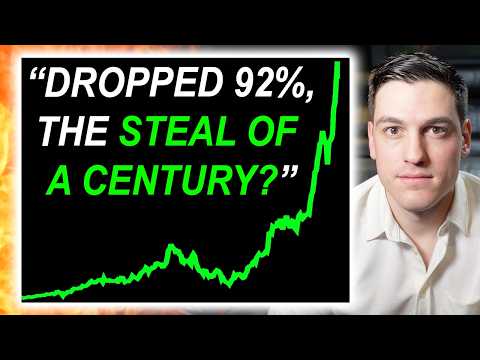
Airdrops are a method used by cryptocurrency protocols to distribute tokens to users, often as a way to incentivize engagement and build a user base. Hyperliquid, for instance, made headlines with its massive airdrop, distributing over $2 billion on launch day. LayerZero, which has been gaining traction, is expected to follow suit in 2025, potentially surpassing Hyperliquid's initial success.
Perpetual DEXes allow users to buy or sell crypto tokens without an expiry date, providing exposure to price movements. This model is akin to traditional finance's Contracts for Differences (CFDs) but tailored for the crypto market. Users can leverage their positions, meaning they can control larger amounts of cryptocurrency than they own, which can lead to significant gains or losses.
While perpetual DEXes offer unique opportunities, they also come with substantial risks. A recent liquidation event wiped out nearly $20 billion in leveraged positions, highlighting the volatility and potential for loss in this space. Most traders on these platforms tend to lose money, making it crucial to approach trading and farming with caution.
Protocols often conduct airdrops to attract users, as a larger user base can lead to increased network effects and higher valuations. The more users a protocol has, the more valuable it becomes. Therefore, when considering which protocols to engage with, it's essential to evaluate their user volume and trading activity.
When assessing which protocols to farm or trade on, consider the following factors:
Farming involves using protocols to earn tokens before they officially launch. However, not all farming opportunities yield positive returns. For example, while Hyperliquid and LayerZero have shown promise, other protocols like Orderly and LogX have resulted in losses for early users.
As decentralized exchanges continue to gain market share from centralized exchanges, the potential for airdrops and user engagement will likely increase. The transition from centralized to decentralized trading platforms is evident in the upward trend of DEX volumes. This shift indicates that protocols like Hyperliquid and others will continue to evolve and capture more market share.
In conclusion, navigating the world of crypto airdrops requires careful analysis and strategic planning. By focusing on user engagement, understanding the mechanics of perpetual DEXes, and evaluating potential farming opportunities, traders can position themselves for success in the ever-changing crypto landscape. As we look towards 2026, keeping an eye on emerging protocols and their airdrop strategies will be crucial for maximizing returns in this dynamic market.