Gold and silver experienced their worst quarter in over a decade, influenced by market dynamics, Federal Reserve policies, and global economic factors. This article explores the reasons behind the decline, the role of bullion banks, the impact of government debt and dollar policies, and the outlook for precious metals. It also highlights the importance of financial education and diversification in uncertain times.
Gold has just experienced its worst quarter in over 10 years, a surprising and significant downturn that has left many investors concerned. In a detailed conversation with Clive Thompson, we explore the factors behind this decline, the current state of the precious metals market, and what the future might hold for gold and silver.
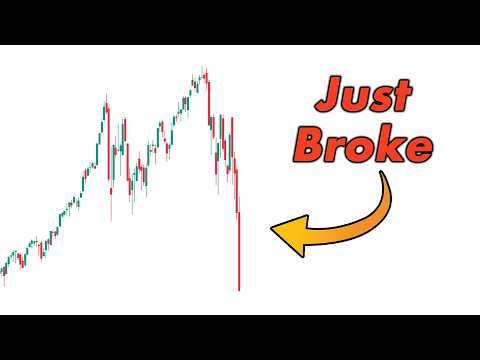
The first quarter of the year saw a dramatic fall in gold and silver prices, with silver hitting an all-time high of around $125 before the market was spooked by the appointment of Kevin Walsh as the Federal Reserve chair. Walsh's hawkish stance, emphasizing the Fed's independence and commitment to a 2% inflation target, contributed to market fears of higher interest rates.
Higher interest rates generally negatively impact precious metals, as they increase the opportunity cost of holding non-yielding assets like gold and silver. However, the decline was exacerbated by the actions of bullion banks, which hold privileged positions in the market. These banks can see stop-loss orders and limit orders and can trigger a cascade of sell-offs by pushing prices below these levels, causing a rapid price decline.
Despite a brief bounce back, many investors who bought gold and silver late in the previous year or early this year found themselves in losing territory, leading to further sell-offs as they sought to cut losses and move into other hot sectors like AI stocks.
Bullion banks play a significant role in price discovery for precious metals. They can manipulate prices by triggering stop-loss orders and leveraging retail investors' positions, especially those trading Contracts for Difference (CFDs) with high leverage. CFDs are risky instruments where 90% of retail investors reportedly lose their money within 90 days.
This dynamic creates a market environment where prices can be driven down rapidly, often disconnected from the underlying value of the metals.
Looking back at stock market crashes over the past 140 years, a common pattern emerges: a rapid sell-off followed by a sharp rebound. Investors often miss the bottom, selling at the worst possible time and buying back too late. This pattern underscores the difficulty of timing the market and the importance of gradual, diversified investing.
The U.S. government is currently exploring ways to manage its massive debt, including the Genius Act, which creates artificial demand for U.S. government debt to suppress interest rates. This could be positive for gold and silver if it leads to a weaker dollar and lower interest rates.
However, the broader picture is complex. The U.S. debt-to-GDP ratio is forecasted to rise indefinitely, raising concerns about a potential crisis of confidence that could lead to rapidly falling demand for treasuries and higher yields, making government financing more difficult.
Stablecoins backed by major corporations are emerging as new demand sources for U.S. debt, but this demand has limits. Additionally, geopolitical tensions and asset confiscations have led some countries to reduce their holdings of U.S. debt.
One area of concern is commercial real estate, where rising interest rates are making previously profitable loans unprofitable. As fixed-rate loans mature and borrowers face higher rates, forced sales could depress property prices and collateral values, potentially leading to loan write-downs and banking sector stress.
This interconnectedness of financial institutions and the complexity of derivatives markets means that unforeseen risks could emerge, similar to the 2008 financial crisis.
There is speculation about the U.S. government revaluing its gold holdings from the historical book value of around $40 per ounce to current market prices. This accounting trick could reduce reported government debt by swapping interest-bearing debt for non-interest-bearing gold notes.
While this would not change the underlying economic reality or inflation, it could create a floor under the gold price if the government backs the new valuation by agreeing to buy gold at the revalued price.
Despite the recent downturn, there are reasons to remain optimistic about gold and silver. Central banks in emerging markets continue to buy gold at historically high rates, and geopolitical tensions have created forced sellers, which could eventually lead to a market bottom.
Investors are advised to maintain diversification across asset classes, including short-dated, high-quality bonds and trusted cash holdings, while gradually increasing exposure to precious metals.
Many investors struggle with understanding complex financial products and markets. Financial education is crucial for making informed investment decisions and avoiding panic selling during market downturns.
Simple, diversified investment strategies and seeking independent financial advice can help investors navigate volatile markets. Additionally, educating younger generations about financial concepts can prepare them for future financial decisions.
The recent bloodbath in gold and silver prices reflects a complex interplay of market mechanics, Federal Reserve policies, government debt dynamics, and global economic factors. While the short-term outlook may be uncertain, the long-term fundamentals for precious metals remain intact.
Investors should focus on diversification, gradual accumulation, and financial education to weather the volatility and position themselves for potential gains as the market stabilizes and evolves.
For those interested in a deeper dive, a comprehensive research report covering these topics and more, including details on gold miners, is available for free at felixfriends.orgs.
Additionally, Clive Thompson has authored a series of children's books called "Little Trot" that introduce financial vocabulary and concepts in an engaging way, available for free download at clivetoson.com or for purchase on Amazon.