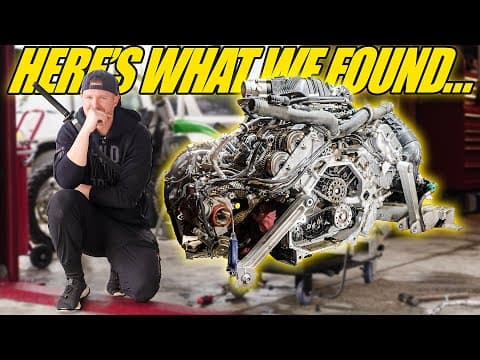
This blog post details the challenging process of removing and inspecting the engine of a McLaren, revealing significant damage and the financial implications of the repairs needed, ultimately transforming a budget project into a costly endeavor.
In the world of automotive projects, few experiences are as daunting as dropping the engine from a high-performance vehicle like a McLaren. This blog post chronicles the journey of one such project, highlighting the challenges faced, the unexpected discoveries made, and the financial implications that arose from what began as a budget-friendly endeavor.
The project kicked off with high hopes and good vibes, but it quickly became apparent that the McLaren was suffering from a mysterious low oil pressure issue. Initially suspected to be a faulty oil pressure sensor, the reality was far more severe. As the project progressed, it became clear that the low oil pressure warning was not just a minor inconvenience but a significant problem that could lead to catastrophic engine failure.
After battling with the oil pressure issue for some time, the decision was made to drop the engine. This was not just a routine maintenance task; it was a necessary step to uncover the extent of the damage. The excitement of learning about the car's inner workings was palpable, but so were the nerves as the team prepared for the task ahead.
With the help of Ryan, an experienced mechanic, the process of removing the engine began. The team meticulously disconnected various components, including cooling lines, electrical connections, and axles. The goal was to ensure that nothing was damaged during the removal process. Despite the complexity of the task, the team found the process to be more straightforward than expected, especially compared to other vehicles they had worked on.
As the engine was being lowered, the team had to be cautious to prevent the car from nosediving. They utilized hydraulic tables to assist with the weight of the engine, making the process smoother. However, the removal took longer than anticipated due to the need for precision and care to avoid damaging any components.
Upon successfully removing the engine, the team began their inspection. The first signs of trouble were evident when a significant amount of oil was found in the charge pipes, indicating a serious issue with the oil return system. Further examination revealed that both turbos were affected, and the low oil pressure was likely due to a blockage preventing oil from returning to the sump.
As the inspection continued, it became clear that the engine had likely been tampered with before. Signs of rust and wear were found on various components, suggesting that the engine may have experienced issues prior to this project. The team discovered that the cam phasers showed signs of rust, and there were indications that the engine had been dropped before, as evidenced by mismatched OEM lines.
The financial burden of the repairs began to weigh heavily on the project. Initially estimated at $20,000 to $30,000, the costs quickly escalated as the team realized the extent of the damage. The decision was made to consider purchasing a new engine rather than refurbishing the existing one, as the latter would take months and could end up costing more in the long run.
As the project evolved, it became clear that the McLaren project was no longer a budget build. The costs associated with the repairs and the potential purchase of a new engine meant that the total expenses could rival the price of a clean title, lower mileage McLaren. This realization brought about feelings of regret and frustration, as the project had transformed from a learning experience into a financial burden.
The journey of dropping the engine from the McLaren was filled with unexpected challenges and revelations. While the experience provided valuable lessons about automotive repair and the intricacies of high-performance vehicles, it also highlighted the financial risks associated with such projects. As the team moves forward, they must navigate the complexities of repairs and funding, all while maintaining their passion for the automotive world. This project serves as a reminder that sometimes, the road to success is paved with unforeseen obstacles and costs.