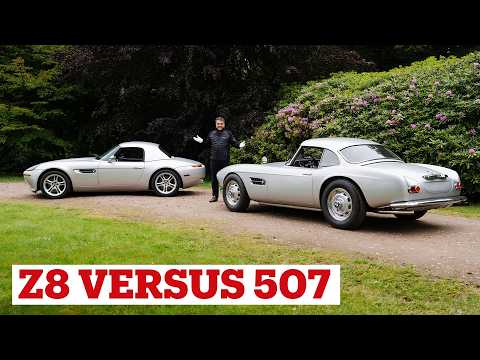
The BMW Z8, introduced in 1999, is a modern interpretation of the classic BMW 507, stemming from a design initiative sparked by a board member's nostalgia. This blog post explores the development process, design elements, and historical significance of the Z8, highlighting its unique features and the creative vision behind its creation.
In 1999, BMW introduced the stunning Z8 Roadster, powered by a potent V8 engine. However, the roots of this remarkable vehicle trace back to a prototype named Z07, unveiled at the Tokyo Motor Show in 1997. This blog post delves into the inspiration behind the BMW Z8's development, its design process, and the historical significance of its predecessor, the BMW 507.
The story of the BMW Z8 begins with the BMW 507, a classic roadster produced in the late 1950s. Introduced in 1956, the 507 was only in production for 3.5 years, yet it left a lasting impression on automotive enthusiasts. The idea to create a modern interpretation of the 507 was ignited during a work outing in southern France, where a BMW board member drove the 507 and questioned why such a model was not part of BMW's current lineup.
This question sparked the interest of BMW's design chief, who returned to Munich eager to explore the possibility of reviving the spirit of the 507. He encouraged his design team to create proposals for a contemporary roadster that would capture the essence of the classic model.
Among the designers, Hendrik Visker stood out with his enthusiasm for the project. He immersed himself in the history of the BMW 507, studying its lines and character. Visker was determined that the new design should not be a mere retro homage but rather a modern interpretation that could stand on its own.
Visker envisioned the Z8 as an evolution of the 507, akin to how Porsche transitioned from the 901 to the 997, skipping several iterations in between. He began sketching designs that incorporated key elements of the 507 while ensuring the Z8 would reflect the aesthetics and technology of the early 2000s.
Initially, the Z8 was not an official project, but the management at BMW quickly recognized its potential. They decided to move forward with production, positioning the Z8 above the existing BMW Z3 in their lineup. The project was given the codename E52, and a unique aluminum spaceframe was developed to maintain the integrity of Visker's design.
In 1999, the Z8 was officially launched, with the name reflecting its powerful V8 engine. The vehicle was equipped with a 4.9-liter engine, producing 400 horsepower, and featured rear-wheel drive, a hallmark of BMW's performance philosophy.
The BMW Z8 is celebrated for its striking design, which pays homage to the 507 while incorporating modern elements. Key features include:
The BMW Z8 was produced from 1999 to 2003, with a total of 5,703 units manufactured. This limited production run adds to the vehicle's allure among collectors and enthusiasts. In contrast, only 252 units of the BMW 507 were ever made, making both cars rare and highly sought after.
The Z8's design and engineering have left a lasting impact on the automotive world, showcasing BMW's ability to blend nostalgia with innovation. The vehicle stands as a testament to the brand's commitment to performance and design excellence.
The BMW Z8 is more than just a modern roadster; it is a celebration of BMW's rich heritage and a tribute to the timeless design of the 507. Through the vision of Hendrik Visker and the dedication of the BMW team, the Z8 emerged as an iconic vehicle that continues to captivate car enthusiasts around the world. Its unique blend of classic styling and modern performance ensures its place in automotive history.