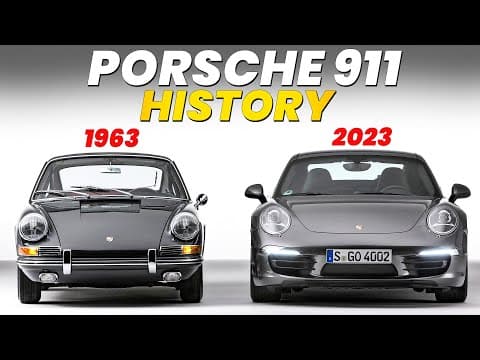
The Porsche 911, born in 1964, has evolved through decades of innovation while maintaining its iconic design and performance. From its air-cooled origins to the modern turbocharged models, the 911 continues to captivate car enthusiasts and shape the automotive industry.
Picture this: a quiet suburb of Stuttgart, Germany, known as Zuffenhausen. This isn't just any place; it's the birthplace of the Porsche 911, where the first model rolled off the line back in 1964. Every single new 911 has been crafted in this very location since its debut at the Frankfurt International Motor Show a year earlier. This blog post delves into the captivating history of the Porsche 911, exploring its evolution, significance, and what the future holds for this timeless automobile.
The story of the Porsche 911 begins with a dream. In 1963, Ferdinand "Butzi" Porsche envisioned a successor to the beloved Porsche 356. His brainchild, the Porsche 911, was showcased at the Frankfurt show, igniting a new chapter in the automotive world. Powered by an air-cooled six-cylinder rear-mounted engine producing 130 horsepower, the 911's signature sloping rear design set the stage for its legacy.
The original 911 didn't rest on its laurels. In 1967, the 911 Targa was born, featuring a unique design with a stainless steel roll bar, removable roof panel, and retractable rear window. This model ingeniously combined the open-air thrill of a convertible with the structural integrity and safety of a coupe, creating an entire genre within the 911 family.
The 1970s marked another key milestone for the 911. Engine upgrades increased displacement from 2.2 to 2.4 liters, boosting horsepower to 190. The highlight of this decade was the 911 Carrera RS, which refined the 911 into a leaner, performance-focused machine. This model was the first production vehicle to feature a rear spoiler, a design that created vital downforce and became iconic among enthusiasts.
As the 1980s rolled around, Porsche continued to innovate with the introduction of the 911 SC and the 3.2 Carrera, both boasting enhanced engines. The Carrera, with its whale tail spoilers, became an icon of the decade. The legendary 959 also emerged, proving the 911's worth by conquering the grueling Paris Dakar Rally.
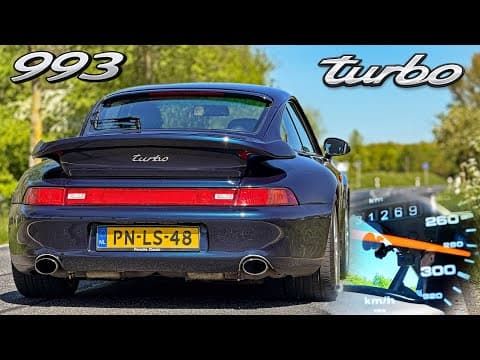
The 1990s brought further evolution with the 911 964 Turbo, featuring an all-wheel-drive system for the first time. The decade ended with the 911 993, the last model to house an air-cooled engine, symbolizing the end of an era while paving the way for the future.
The new millennium welcomed the 911 996, marking a significant shift as it traded air-cooled engines for water-cooled ones. This model was more aerodynamic and featured a revamped interior. The evolution continued with the 997 and 991 models, introducing advanced technology and improved performance metrics while maintaining the charm that made the 911 a legend.
Fast forward to 2018, and we find the latest evolution of this automotive marvel: the 8th generation Porsche 911 992. This iteration pays homage to the history of the 911 while pushing the model into the future. Equipped with features like wet mode for improved handling and a meticulously crafted interior, the 992 includes various models such as the Carrera, Carrera S, Carrera 4S, and the track-bred GT3.
The GT3, for instance, is a tribute to Porsche's racing heritage, powered by a naturally aspirated 4.0-liter flat-six engine producing 502 horsepower. The Carrera S blends performance with everyday usability, featuring a twin-turbo 3.0-liter flat-six engine with 443 horsepower and an 8-speed PDK transmission for seamless shifts.
In 2015, Porsche introduced turbocharged engines to the 911 lineup, marking a dramatic shift in its long-standing history of innovation. The new 3.0-liter twin-turbocharged six-cylinder flat engine developed 370 horsepower in the 911 Carrera and 420 horsepower in the 911 Carrera S. This transition allowed for lower fuel consumption while maintaining the 911's performance standards.
The Porsche 911 Type 992 made its debut in late 2018, retaining the classic silhouette while incorporating modern design elements. The reworked 3.0-liter twin-turbocharged flat-six engine produces 443 horsepower, allowing models to sprint from 0 to 60 mph in just 3.5 seconds. The 992 also embraces technology with a newly designed cockpit, offering a blend of analog and digital interfaces.
Since its debut, the Porsche 911 has expanded its lineup with models like the Carrera T, Turbo, Turbo S, and the track-focused GT3. Each model offers a unique take on the 911 experience while carrying the unmistakable Porsche DNA. The 911 continues to captivate car enthusiasts, proving that the spirit of the original 911 is alive and thriving in the 21st century.
The relentless evolution of the Porsche 911 is a testament to Porsche's commitment to performance and innovation. As we approach 2024, the 911 remains the quintessential sports car, celebrated as one of the greatest of all time. Its impact on the automotive industry and popular culture is undeniable, defining what we think of when we hear the term sports car. The Porsche 911 is not just a car; it embodies passion, history, and innovation for almost six decades.