Nürburgring lap times have become a focal point for car manufacturers, leading to controversies over record claims and the impact of marketing strategies. This blog explores the history of the Nürburgring, the evolution of lap time records, and the implications for consumers looking to purchase high-performance vehicles.
The Nürburgring, often referred to as the "Green Hell," has long been a proving ground for automotive manufacturers seeking to showcase their vehicles' performance. Recently, Corvette made headlines by setting new lap records with its Z06, ZR1, and ZR1X models. However, these records have sparked debates and raised questions about the validity and implications of such claims. In this blog post, we will delve into the history of the Nürburgring, the evolution of lap time records, and the impact these records have on consumers.
Constructed in 1925, the Nürburgring Nordschleife was designed to provide a challenging track for automotive testing and racing. Spanning 28 kilometers, it has become a rite of passage for car manufacturers, who use it to demonstrate their vehicles' capabilities. Over the decades, the track has seen countless manufacturers vying for the fastest lap times, turning it into a battleground for automotive supremacy.
In the early 2000s, manufacturers began to leverage Nürburgring lap times as a marketing tool. BMW, for instance, used the track to promote its M3 CSL, setting a precedent that other manufacturers quickly followed. However, the credibility of these records was often questioned, as companies would choose different lap layouts to claim sub-8-minute times. This led to a culture of ambiguity surrounding lap times, akin to playground bragging.
By 2017, the Nürburgring introduced an industry pool, allowing manufacturers to rent the track for testing and record attempts. This initiative aimed to standardize lap times and reduce disputes over claims. However, the lack of strict regulations meant that manufacturers could still manipulate conditions to their advantage.
In 2019, the Nürburgring implemented a record drives protocol, establishing a fixed distance of 20.832 kilometers with calibrated timing and oversight by track staff. This was intended to create a level playing field, but questions remained about the integrity of the records, especially with vehicles modified for performance.
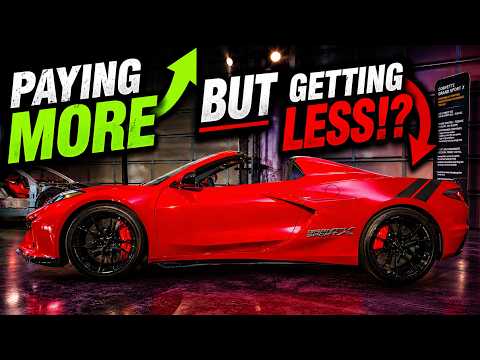
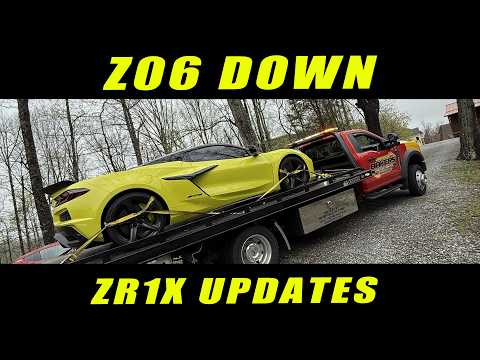
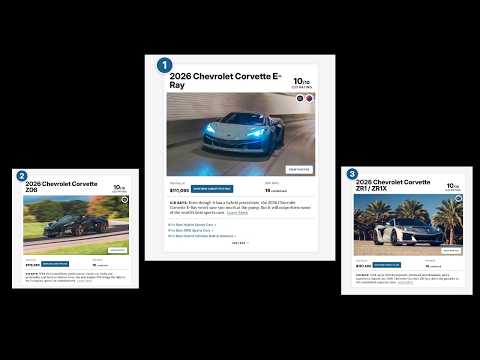
Recently, Corvette set impressive lap times with its Z06, ZR1, and ZR1X models, clocking in at 7:11, 6:50, and 6:49 respectively. While these times are commendable, they have reignited discussions about the legitimacy of such records. Critics argue that the vehicles were not entirely representative of production models, as they often come with expensive performance packages that are not standard.
The marketing strategies employed by manufacturers have further complicated the narrative around Nürburgring lap times. For instance, the ZR1X, which set a record only a second faster than the ZR1, comes with a hefty price tag and specialized components that may not be accessible to the average consumer. This raises the question: how much of these records are genuine reflections of performance versus clever marketing tactics?
As consumers, many car enthusiasts look to Nürburgring lap times as a benchmark for performance. However, the reality is that these times can be misleading. The introduction of specialized trim packages and performance modifications means that the average buyer may not experience the same performance as the record-setting vehicles.
For those seeking a balance between performance and value, the Audi RS3 emerges as a standout option. With a mid-7 minute lap time, it offers an engaging driving experience without the exorbitant price tags associated with some of the more hyped models. The RS3 combines practicality with performance, making it a compelling choice for consumers.
The world of Nürburgring lap times is fraught with complexities, from the historical significance of the track to the modern controversies surrounding record claims. As manufacturers continue to push the boundaries of performance, consumers must navigate the marketing landscape to make informed decisions. Understanding the nuances of these records can empower buyers to choose vehicles that truly meet their performance expectations without falling prey to marketing gimmicks. The Nürburgring remains a vital part of automotive culture, but it is essential to approach its records with a critical eye.