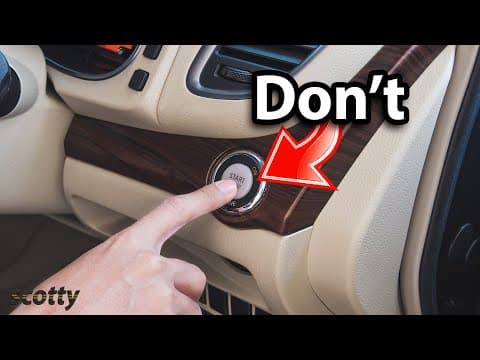
This article discusses the common mistakes people make when starting their cars, including revving the engine, turning the key when the engine is already running, and the implications of start-stop systems. It emphasizes the importance of proper starting techniques to prolong vehicle life and reduce maintenance costs.
Starting a car seems like a simple task, but many drivers make mistakes that can lead to costly repairs and reduced vehicle lifespan. In this article, we will explore the common pitfalls when starting your car and how to avoid them.
Most modern cars are designed for straightforward starting. Simply turning the key should suffice, as they are equipped with fuel injection systems that do not require you to touch the accelerator. One critical point to remember is that if you forget whether your car is running, do not turn the key again. While modern starters are built to handle some misuse, repeatedly engaging the starter when the engine is already running can lead to significant issues.
The starter motor engages with the flywheel to spin the engine. When you turn the key, a small gear called the Bendix drive pops out and meshes with the flywheel. If the engine is already running and you engage the starter, the gear will freewheel, which may not cause immediate damage. However, repeated engagement can chip the teeth on the starter gear and, more critically, on the flywheel. Replacing a flywheel is a labor-intensive job, often requiring the removal of either the engine or transmission.
Another common mistake is revving the engine immediately after starting. When an engine sits overnight, oil settles in the sump, and it takes a few seconds for the oil pump to circulate oil throughout the engine. Since most engine wear occurs during startup, it is advisable to let the engine run for a few seconds before revving it. This allows the oil to build up pressure and lubricate the engine components properly.
While it was once common advice to turn off all accessories before starting the car, modern vehicles are equipped with relays that prevent voltage surges from damaging electrical systems. However, if you drive an older vehicle with a weak battery, turning off accessories can help ensure that the car starts without draining the battery.
A crucial aspect of starting your car is ensuring that the battery terminals are clean and free of corrosion. Corrosion can prevent the car from starting, so it is essential to check and clean the terminals regularly. Additionally, ensure that the ground connections are secure and free from corrosion, as poor grounding can lead to starting issues.
Many modern vehicles come equipped with start-stop systems designed to improve fuel efficiency. However, these systems can lead to increased wear on the engine and starter. Each time the engine shuts off and restarts, it puts additional strain on the components. While manufacturers claim that newer bearings can withstand more start cycles, frequent starting and stopping can still lead to premature wear.
If your vehicle has a start-stop feature, make it a habit to disable it each time you start the car. This simple action can help prolong the life of your engine and starter, reducing maintenance costs in the long run. The marginal fuel savings from these systems often do not justify the increased wear and tear on the vehicle.
Starting your car may seem like a mundane task, but understanding the mechanics and avoiding common mistakes can save you from costly repairs and extend the life of your vehicle. By following these guidelines—starting without revving, maintaining your battery, and managing start-stop systems—you can ensure a smoother and more reliable driving experience. Remember, a little attention to detail can go a long way in vehicle maintenance.