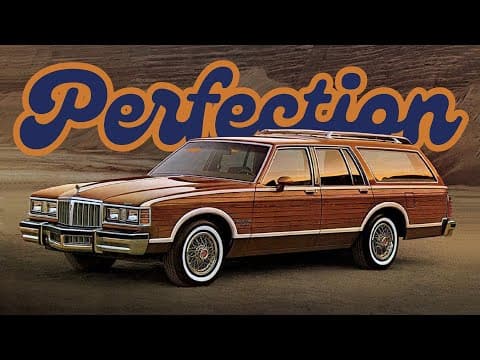
The station wagon, once the quintessential family vehicle in America, evolved from a utilitarian design to a stylish icon before being overshadowed by minivans and SUVs. This blog explores the history, cultural significance, and eventual decline of the station wagon, while also considering its potential resurgence in modern automotive markets.
Every now and then, a group of people attempts to rethink the very form of the automobile. Think of cars like the Volkswagen Beetle, the front-wheel-drive Mini Cooper, SUVs, hatchbacks, and trucks. These vehicles didn't always exist; they emerged to serve specific purposes and fill needs for prospective buyers. They were answers to questions like, "Why can't we have a vehicle capable of pulling stumps out of the ground?" or "Why can't we have a car that is tiny on the outside but big on the inside?"
But what if I told you that the single greatest form of the automobile, as we know it, is something we have effectively killed? Of course, I'm talking about the station wagon.
The history of the station wagon is rich and fascinating. In the decade between World War I and the Great Depression, the automobile transitioned from what Byron Olsen calls a "toy for the rich" to a necessity for many. This shift meant that the very form of the car was changing to meet various people's needs. No longer was it sufficient for a car to simply be a carriage powered by an engine instead of a horse.
As the popularity of cars grew, a void emerged, especially in urban areas. If you wanted to travel from city to city or just into the city, you would take a train. Once you arrived, there were no rideshare options like Uber or Lyft. The wealthy could afford taxis, but many could not. The solution? The station wagon—a vehicle designed to haul families and their luggage from the train station to their hotels.
These early station wagons were essentially modified trucks with custom wooden tops. This specific transportation need gave rise to an entire industry of coach building. By 1929, Ford introduced its own station wagon built on the Model A chassis. This four-door, barebones wagon proved popular, but the Great Depression stunted its growth. It wasn't until 1933 that other manufacturers like Dodge and Plymouth began contracting out wagon building.
As the years progressed, the station wagon evolved. The wood bodies became more stylized, featuring roll-up windows and more aerodynamic designs. One of the most significant models of this era was Chevy's Carry All, which eventually paved the way for the Suburban and changed the automotive landscape forever.
Through the 1940s, the purpose of the station wagon shifted as outdoor recreation gained popularity. Families began to embrace camping and long-distance road trips, making the station wagon the vehicle of choice for these activities. From the luxurious Buick Estate Wagon to the rugged Willys wagon, the station wagon transformed into a family-friendly vehicle.
The 1950s marked the golden age of the station wagon. Economic prosperity allowed families to invest in more luxurious vehicles. The Eisenhower Interstate System made long-distance travel more accessible, and the introduction of folding rear seats made wagons even more appealing. By the end of the decade, virtually every American manufacturer was producing station wagons, with models like the Mercury Colony Park capturing the spirit of the era.
Despite a strong start in the 1970s, the station wagon faced new pressures that signaled the beginning of its decline. The oil crisis of 1973 caused gasoline prices to skyrocket, leading consumers to seek more fuel-efficient options. Traditional station wagons struggled to adapt to government-mandated safety and emission standards, and buyers began exploring alternatives like compact cars and hatchbacks.
The 1980s delivered a near-fatal blow to American station wagons with the introduction of the minivan. Chrysler's Dodge Caravan and Plymouth Voyager redefined family transportation, offering more interior space and better fuel economy. The minivan quickly became the new status symbol for families, overshadowing the station wagon.
As the 1990s rolled in, the SUV began its meteoric rise. Models like the Ford Explorer and Jeep Cherokee tapped into a rugged, outdoorsy image that appealed to families and individuals alike. The station wagon was relegated to a niche status, often associated with a more laid-back lifestyle. By the 2000s, the station wagon was all but extinct in North America, replaced by crossovers that combined the practicality of wagons with the image of SUVs.
While station wagons declined in popularity in North America, they remained popular in Europe. Brands like BMW, Mercedes-Benz, and Volvo continued to produce high-quality station wagons for European customers. Models like the Audi A4 Avant and BMW 3 Series Touring exemplify the blend of performance and practicality that enthusiasts still appreciate today.
Some automakers are keen on reviving the station wagon for the modern world, marketing them as rugged, off-road-ready vehicles. The Subaru Outback, for instance, has maintained a strong presence in the U.S. market, while luxury brands like Audi and Porsche are introducing new models that straddle the line between wagon and crossover.
The decline of the station wagon reflects not just automotive trends but the evolution of culture itself. While some argue that the rise of the minivan and SUV marks the death of the station wagon, others see it as an evolution. The station wagon has transformed into a more commodious family vehicle, but its essence remains.
Today, station wagons survive as niche products celebrated by enthusiasts for their blend of utility and driving dynamics. Although they may never regain the popularity they once had, the station wagon's legacy endures, reminding us of a time when it was the ultimate vehicle for hauling families and their belongings. As we look to the future, perhaps we will see a resurgence of this beloved vehicle, adapted for modern needs while retaining its classic charm.