When it comes to vehicle performance, the type of tires you choose can make a significant difference. This article delves into the effects of low and high profile tires, as well as wide and narrow tires, on various aspects of driving, including handling, comfort, and overall performance.
Tire Profiles Explained
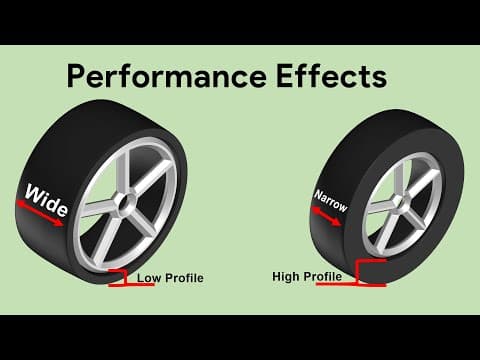
Tire profiles refer to the height of the tire's sidewall relative to its width.
- Low Profile Tires: These tires have a shorter sidewall, which means they are wider and closer to the ground. They are often found on sports cars and performance vehicles.
- High Profile Tires: These tires have a taller sidewall, providing more cushioning and comfort. They are typically used on SUVs and trucks.
Advantages of Low Profile Tires
- Improved Handling: Low profile tires offer better handling and responsiveness due to their stiffer sidewalls. This allows for more precise steering and cornering, making them ideal for sports cars.
- Enhanced Aesthetics: Many car enthusiasts prefer the aggressive look of low profile tires, which can enhance the overall appearance of a vehicle.
- Better Road Feedback: Drivers often report feeling more connected to the road with low profile tires, as they provide more feedback during driving.
Disadvantages of Low Profile Tires
- Reduced Comfort: The stiffer sidewalls can lead to a harsher ride, especially on rough or uneven surfaces.
- Increased Risk of Damage: Low profile tires are more susceptible to damage from potholes and road debris due to their shorter sidewalls.
- Higher Cost: Generally, low profile tires can be more expensive than their high profile counterparts.
Advantages of High Profile Tires
- Increased Comfort: The taller sidewalls provide better shock absorption, leading to a smoother ride, especially on bumpy roads.
- Better Off-Road Capability: High profile tires are often better suited for off-road driving, as they can handle rough terrain more effectively.
- Lower Risk of Damage: The additional rubber in the sidewall can help protect against impacts from potholes and other road hazards.
Disadvantages of High Profile Tires
- Less Responsive Handling: High profile tires may not provide the same level of handling and responsiveness as low profile tires, which can affect performance during high-speed driving or sharp turns.
- Reduced Aesthetics: Some drivers feel that high profile tires do not offer the same sporty look as low profile tires.
Wide vs. Narrow Tires
In addition to profile height, tire width also plays a crucial role in performance.
Wide Tires
- Increased Traction: Wider tires provide a larger contact patch with the road, which can enhance grip and stability, especially during acceleration and cornering.
- Better Handling: They can improve handling characteristics, making them popular for performance vehicles.
Narrow Tires
- Improved Fuel Efficiency: Narrow tires can reduce rolling resistance, leading to better fuel economy.
- Better Performance in Snow: They can cut through snow more effectively, making them a better choice for winter driving conditions.
Conclusion
Choosing the right tire profile and width is essential for optimizing vehicle performance. Low profile tires offer enhanced handling and aesthetics but may sacrifice comfort and durability. Conversely, high profile tires provide a smoother ride and better off-road capability but may lack the responsiveness desired by performance enthusiasts. Understanding these differences can help drivers make informed decisions based on their driving needs and preferences. Whether you are a car enthusiast or an everyday driver, the right tires can significantly impact your driving experience.