This blog post explores 14 unexpected similarities between French and Chinese food cultures, highlighting their shared philosophies, techniques, and the use of unique ingredients, despite their distinct flavors.
France and China are renowned for their rich culinary traditions, yet many might not realize how closely intertwined their food philosophies and techniques can be. In this post, we will explore 14 surprising similarities between these two great food cultures, revealing how they both elevate humble ingredients and embrace unique proteins.
Both French and Chinese cuisines are known for their use of unconventional proteins. While many cultures shy away from ingredients like frog legs, snails, and duck, both France and China celebrate these unique offerings. In France, frog legs are often prepared delicately, allowing the natural flavors to shine through, while in China, frog is commonly featured in various regional dishes, showcasing its versatility.
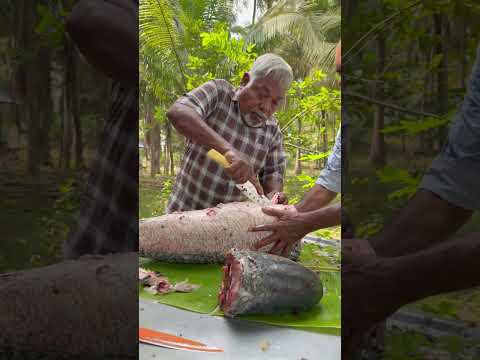
A significant similarity between the two cuisines is their commitment to nose-to-tail consumption. Both cultures emphasize using the entire animal, minimizing waste. In France, dishes featuring liver, kidney, and even calf head are common, while in China, offal is often transformed into flavorful dishes, such as spicy hot pots that highlight less desirable cuts of meat.
Both French and Chinese chefs have a knack for transforming humble ingredients into extraordinary dishes. For instance, a simple leek can be elevated into a gourmet entrée in French cuisine, just as basic vegetables are often used creatively in Chinese cooking to create flavorful meals.
Foie gras, a delicacy in French cuisine, exemplifies the transformation of offal into a gourmet ingredient. While it may be presented in a refined manner, the process of making foie gras involves force-feeding ducks or geese, which raises ethical concerns. In contrast, Chinese cuisine embraces offal more openly, often serving it in its natural form without disguise.
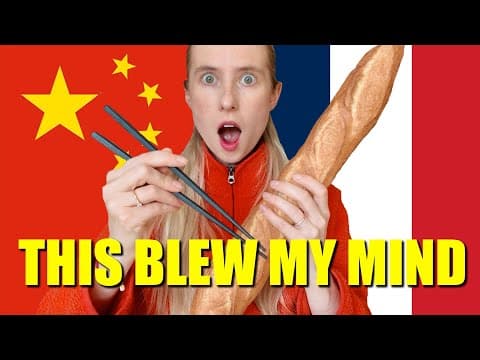
In France, bread, particularly the baguette, is a staple that complements meals, much like rice does in China. Both cultures have developed creative ways to utilize their staple carbs, whether it’s turning stale baguettes into croutons or using leftover rice in fried rice dishes.
French dining etiquette traditionally discourages eating on the street, a practice rooted in historical social norms. However, nibbling on a baguette while walking is an accepted exception. In contrast, Chinese street food culture embraces eating on the go, showcasing the differences in dining customs between the two nations.
Both cuisines incorporate alcohol into their cooking processes. French dishes often feature wine, such as in coq au vin, while Chinese cuisine utilizes Shao Xing wine to enhance flavors. This shared practice highlights the importance of alcohol in enriching the culinary experience.
Duck is a beloved ingredient in both French and Chinese cuisines. French dishes like magret de canard showcase the bird's rich flavors, while Chinese cuisine features duck in various forms, including the famous Peking duck. Both cultures have developed unique methods of preparation that highlight the bird's versatility.
Mold plays a role in both cuisines, particularly in cheese-making in France and in dishes like 毛豆腐 (hairy tofu) in China. This shared use of fermentation and mold illustrates a deeper understanding of food preservation and flavor enhancement in both cultures.
Both French and Chinese culinary traditions are steeped in intellectualism. Historical figures like Su Shi in China and Jean Anthelme Brillat-Savarin in France have contributed significantly to the philosophy of food, emphasizing the importance of taste and technique in cooking.
Both cuisines place a high value on the presentation of food. French cuisine is known for its artistic plating, while Chinese dishes often emphasize color and arrangement, showcasing the beauty of the ingredients.
Both French and Chinese chefs prioritize seasonal ingredients, ensuring that their dishes reflect the freshest produce available. This commitment to seasonality enhances the flavors and quality of the meals.
Both cultures have rich culinary traditions that are passed down through generations. Family recipes and cooking techniques are cherished, ensuring that the essence of each cuisine is preserved and celebrated.
Finally, both French and Chinese cultures emphasize the joy of sharing meals with family and friends. Whether it’s a leisurely French dinner or a bustling Chinese banquet, the act of gathering around food fosters connection and community.
Despite their distinct flavors and ingredients, French and Chinese cuisines share numerous similarities in philosophy, technique, and appreciation for food. By exploring these connections, we can gain a deeper understanding of how food transcends cultural boundaries, bringing people together through shared experiences and culinary creativity.