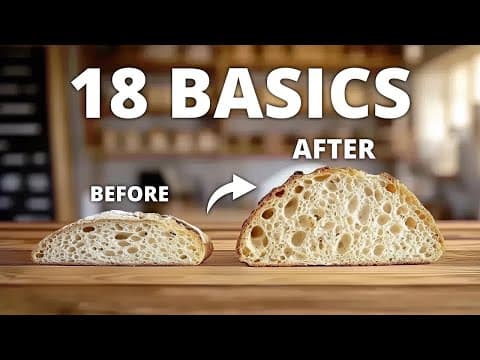
This blog post outlines 18 fundamental tips for sourdough baking, covering everything from starter preparation to fermentation techniques, ensuring that both novice and experienced bakers can improve their sourdough bread-making skills.
Sourdough baking is an art that combines science and technique. While many aspects of sourdough may seem intuitive to seasoned bakers, there are fundamental principles that every baker should understand. Here are 18 essential tips to elevate your sourdough baking experience.
Using whole grain flour, such as whole wheat or whole rye, can significantly enhance the fermentation process of your sourdough starter. Whole grains have more wild yeast and bacteria on their hulls, which can lead to a faster and more robust fermentation compared to white flour.
An older sourdough starter is often more effective at fermenting flour. As you feed your starter, the most efficient microbes thrive, leading to better flavor and fermentation speed. If possible, obtain a portion of a friend's older starter to compare results.
A well-fed and active starter is crucial for successful sourdough baking. Before using your starter, ensure it shows signs of activity, such as bubbles and a pleasant aroma. This indicates that it is ready to inoculate your dough.
The quality of flour you use directly impacts your sourdough bread. Opt for flour with a higher protein content to ensure better gluten development, which is essential for a good rise and texture in your bread.
While many envision a freestanding sourdough loaf, consider alternatives like flatbreads or loaf pan breads. These options can be more convenient and still yield delicious results, especially for everyday consumption.
Authentic sourdough bread should only contain flour, water, and salt. Be cautious of recipes that include additional ingredients like baking powder or commercial yeast, as these do not produce true sourdough.
Every sourdough starter behaves differently due to variations in temperature and feeding schedules. Instead of relying solely on recipe timings, learn to observe your dough for signs of readiness.
For optimal results, consider lowering the hydration of your starter to match that of your dough. This can enhance yeast activity and reduce the risk of over-fermentation, especially for beginners.
Instead of kneading for long periods, mix your ingredients until combined, then let the dough rest. This allows gluten to develop naturally, saving you time and effort.
Rather than using the traditional autolyse method, consider the fermento-lease approach, where you mix all ingredients at once but use less starter. This saves time while still achieving excellent results.
While stretching and folding can strengthen your dough, it is not always necessary. Pay attention to your dough's texture and only apply this technique when needed.
During bulk fermentation, aim for a 25% increase in dough size. Use a small container to monitor this increase and observe the dough's aroma for signs of readiness.
When making multiple loaves, save a portion of your dough to inoculate future batches. This reduces waste and ensures consistent results.
Pre-shaping is not always required, especially for single loaves. However, it can help improve dough strength and is beneficial when making multiple loaves.
When shaping your dough, use flour to prevent sticking. However, avoid using flour during pre-shaping to maintain the dough's structure.
Refrigerating your shaped dough can help control fermentation timing, allowing you to bake fresh bread at your convenience. This method can extend fermentation for up to 48 hours.
To achieve a perfect crust, use steam during the baking process. This prevents a crust from forming too early, allowing your bread to expand fully.
Allow your bread to cool for at least an hour before slicing. Cutting too soon can compromise the texture. Additionally, analyze the crumb structure of your bread to identify areas for improvement in future bakes.
Baking sourdough bread is a rewarding journey that requires practice and patience. By applying these 18 tips, you can enhance your skills and enjoy the process of creating delicious homemade bread. Remember, every loaf is a learning opportunity, so keep experimenting and refining your technique. Happy baking!