In this engaging culinary exploration, an Italian chef experiences Chinese hand-pulled noodles for the first time, discovering the rich history, techniques, and flavors that differentiate Chinese noodles from Italian pasta. Through hands-on learning and tasting various noodle dishes, he shares insights into the cultural significance and unique characteristics of each dish, ultimately appreciating the artistry behind both cuisines.
In a fascinating culinary journey, an Italian chef, John Luka, tries Chinese hand-pulled noodles for the first time. This experience not only highlights the differences between Italian pasta and Chinese noodles but also delves into the rich history and cultural significance of these beloved staples.
The debate over the origins of noodles and pasta is a long-standing one. While many believe that noodles originated in China and were introduced to Europe by Marco Polo, historical evidence suggests otherwise. According to Marco Polo's travel narrative, "The Travels of Marco Polo," there are no documented descriptions of noodles. Instead, noodles can be traced back over 4,000 years to ancient China, where the earliest physical evidence of noodles was discovered—leftover noodles from that era.
In contrast, Italian pasta has its roots in ancient Greece, dating back to 1000 BC during the Bulan period. The Greeks created a version of noodles called "lagana," which was a wide and flat piece of dough made from water and flour. The term "pasta" itself comes from the Greek word for flour. While the Greeks invented pasta, it was the Italians who perfected it.
Before tasting the noodles, Chef John Luka is introduced to the art of hand-pulling noodles, a 2,000-year-old Chinese tradition. This intricate process involves stretching dough into long, thin strands using only the hands. The chef meets Dennis, the noodle master, who demonstrates the technique. The process is mesmerizing, showcasing the skill and precision required to create perfect noodles.
Chef John Luka is eager to try his hand at pulling noodles, and although he finds it challenging, he quickly learns the nuances of the technique. The experience of making noodles becomes a bonding moment between him and Dennis, highlighting the universal language of food.
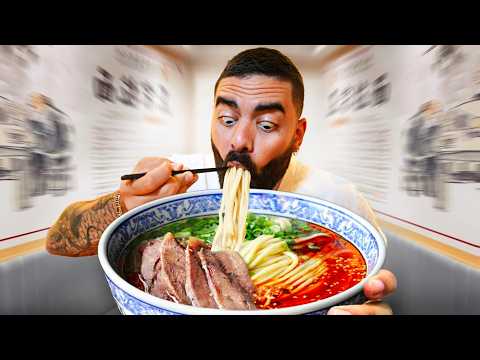
After the hands-on experience, Chef John Luka is ready to taste various noodle dishes. The first dish is a beef noodle soup, which surprises him with its texture and flavor. He notes that the balance of flavors is exquisite, with the broth not being too sweet, spicy, or salty. The experience of slurping the noodles, which is considered rude in Italian culture, is a positive sign of enjoyment in Chinese dining.
As they move on to dry-based noodle dishes, Chef Luka observes the artistry involved in mixing the ingredients. Each dish offers a unique flavor profile, and he appreciates the differences in texture and taste. The triangular noodles, for instance, provide a creamier mouthfeel, while the thicker noodles are denser and starchier.
Throughout the tasting, Chef Luka reflects on the cultural differences between Italian and Chinese cuisines. He notes that while both cultures value noodles, the preparation, presentation, and dining experiences are distinct. For example, in Italian cuisine, the choice of pasta shape is crucial to the dish, similar to how the thickness of Chinese noodles affects the overall flavor and texture.
As the tasting concludes, Chef John Luka shares his ratings for each dish, expressing his newfound appreciation for Chinese hand-pulled noodles. He acknowledges the skill involved in making the noodles and the rich flavors of the dishes he tried. The experience not only broadens his culinary horizons but also deepens his understanding of the cultural significance of food.
In the end, this culinary adventure serves as a reminder of the beauty of food as a universal language, bridging cultures and creating connections through shared experiences. Chef Luka leaves with a greater appreciation for the artistry behind both Italian pasta and Chinese noodles, eager to explore more culinary traditions in the future.