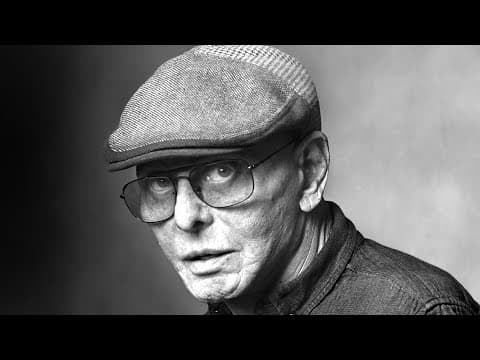
This blog post delves into the psychological implications of Dennis Rader's drawings of his victims, exploring how these sketches reflect his mindset, emotions, and fantasies as a serial killer. Dr. G, a licensed psychologist, provides a detailed analysis of the drawings, highlighting the significance of various elements and their potential meanings.
Dennis Rader, infamously known as BTK (Bind, Torture, Kill), is currently serving ten life sentences for a series of brutal murders committed in the 1970s and 1980s. Recently, law enforcement has been investigating the possibility of two additional victims, and among the evidence are sketches drawn by Rader himself. In this blog post, we will explore the psychological implications of these drawings through the lens of Dr. G, a licensed clinical psychologist and body language expert.
Before diving into the analysis of Rader's sketches, it is essential to understand the significance of visual representation in psychology. When individuals are asked to draw pictures of themselves or loved ones, the resulting images can vary widely based on their emotions and perceptions. The elements included in these drawings often reflect what matters most to the artist. In Rader's case, the choice of elements in his drawings of victims reveals much about his mindset and emotional state.
Rader has openly discussed his fantasies regarding his victims, describing them as vivid mental images that he would replay in his mind. He stated, "I lay in bed at night thinking about this person, the events, and how it's going to happen, almost like a picture show." This statement highlights his visual and spatial thinking, suggesting that he perceives his victims and their experiences in a deeply immersive and detailed manner.
The first drawing analyzed by Dr. G showcases a three-dimensional composition, with detailed dimensions and scenery. A prominent feature is the victim's eyebrows, which convey sadness. This choice indicates that Rader wanted to capture not just the physical appearance but also the emotional state of the victim. The victim appears bound and immobilized, reflecting Rader's control over them. The lack of color in the victim's skin suggests that Rader viewed her as an object rather than a person, focusing instead on the elements that excited him, such as the binding and clothing.
In the second drawing, similarities to the first are evident, particularly in the facial features. Dr. G posits that Rader may have unintentionally included aspects of his own face in these sketches, a common trait among narcissistic individuals. The emphasis on sadness in the victim's expression continues, reinforcing Rader's fixation on the emotional suffering of his victims.
The third drawing presents a more sexualized depiction of the victim, with Rader including intricate details of her clothing and surroundings. The choice to color in the victim's skin this time may indicate a shift in focus, but the overall composition still emphasizes the victim's fear and vulnerability. The background is drawn in a way that fades away, further highlighting the victim's plight.
Throughout the analysis, Dr. G emphasizes the role of Rader's narcissism in his drawings. The sketches serve not only as a reflection of his victims but also as a means for Rader to relive his fantasies. The details he chooses to emphasize—such as clothing and binding—suggest that he is more interested in the control and power dynamics than in the victims themselves.
The drawings of Dennis Rader provide a chilling insight into the mind of a serial killer. Through the analysis of these sketches, we can glean information about Rader's emotional state, his perceptions of his victims, and the disturbing fantasies that drove him to commit heinous acts. As law enforcement continues to investigate potential additional victims, understanding the psychological implications of Rader's art may aid in uncovering the truth and providing closure to the families affected by his crimes.
Dr. G's analysis serves as a reminder of the complexities of human psychology, particularly in the context of violent behavior. As we reflect on these disturbing images, we must also consider the broader implications for society and the importance of addressing the underlying issues that contribute to such tragic events.