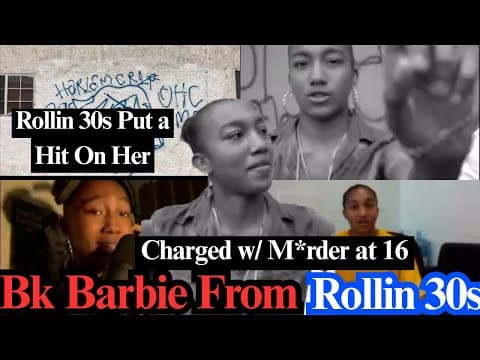
This blog post explores the case of BK Barbie, a 16-year-old from the Rolling 30s gang, accused of murder shortly after a rival gang shooting. It details the events leading to the murder, the gang's plans for retaliation against her, and the subsequent legal proceedings that followed her arrest.
In a shocking tale of youth, violence, and gang rivalry, BK Barbie, a member of the Rolling 30s gang, was accused of murder at just 16 years old. This blog post delves into the events surrounding the murder, the retaliatory plans against her by her own gang, and the legal ramifications that followed.
On February 7, 2010, the Rolling 30s gang hosted a party that would soon turn deadly. Around 3:00 AM, a member of the rival BPS gang infiltrated the gathering and shot a Rolling 30s member known as Little Shady Boy. In the aftermath, BK Barbie and three accomplices decided to retaliate. They jumped into an SUV and drove into BPS territory, where they encountered two men walking down the street.
Despite the men not being affiliated with BPS, Barbie and her group approached them, particularly targeting one man, Darnell Jackson, who was wearing red clothing—a color associated with the Bloods gang. After a brief exchange, Jackson attempted to walk away, but Barbie and her accomplices pulled out a gun and shot him in the back of the head. In total, they fired at least 18 rounds, resulting in Jackson's death and injuring his companion.
The case initially went cold until Gene Palasios, a Rolling 30s member arrested on unrelated charges, provided crucial information to the police. He revealed that Barbie and her group had sought revenge for the earlier shooting of Little Shady Boy. Palasios detailed how they followed Jackson and his friend, leading to the fatal encounter.
Allan, another member of the Rolling 30s, was arrested based on Palasios's testimony. He had been wearing an ankle monitor that tracked his movements, placing him at the party and near the shooting scene. During police interrogation, Allan was shown a picture of Barbie, leading him to suspect she was cooperating with law enforcement, which ultimately turned the gang against her.
In a recorded jail call, Allan discussed with another gang member, Maxwell, the need to deal with Barbie, indicating that he wanted her killed. This was particularly alarming given that Barbie was only 16 years old, while her co-defendants were all in their mid-twenties. The gang's betrayal of Barbie was swift and ruthless.
In the weeks following the murder, Barbie reportedly bragged about the shooting to a friend, which led to further investigations. Eventually, she was arrested on February 23, 2011, at the age of 17, along with her co-defendants, all charged with murder and attempted murder.
The trial began in 2015, with the prosecution presenting strong evidence against the defendants, including recorded calls and testimonies from gang members. During the proceedings, Barbie learned for the first time that her peers had plotted to kill her, a shocking revelation that underscored the treachery within the gang.
On May 8, 2015, Barbie accepted a plea deal, reducing her charge from murder to voluntary manslaughter, resulting in a 16-year sentence. Her co-defendants also took plea deals, with varying sentences based on their involvement. Allan, the mastermind behind the plot, was found guilty and sentenced to 55 years to life in prison, despite not being the shooter.
The case of BK Barbie serves as a tragic reminder of the consequences of gang violence and the impact it has on young lives. At just 16, Barbie found herself embroiled in a deadly cycle of retaliation and betrayal, leading to a life-altering conviction. This story highlights the complexities of gang dynamics and the harsh realities faced by those involved in such lifestyles.